

Natural Science Musuem London: Voyage to the Edge of Imagination Review

On the 6th of October, a new exhibition opened about science fiction at the Natural Science Museum in southwest London. It is described as “an immersive genre-defying exhibition” to explore visions of the future through science fiction but also how it has shaped the world of science. Granted it has been a few years since I’ve visited a “proper” museum in London but mention the word “immersive” and I do get rather excited.
For all my love of science fiction watching it on tv or film requires me to be a passive viewer and receiver of it. As humans we learn through experience, seeing, touching and feeling so I jumped at the chance to see what this exhibition is all about.
Going to the Azimuth
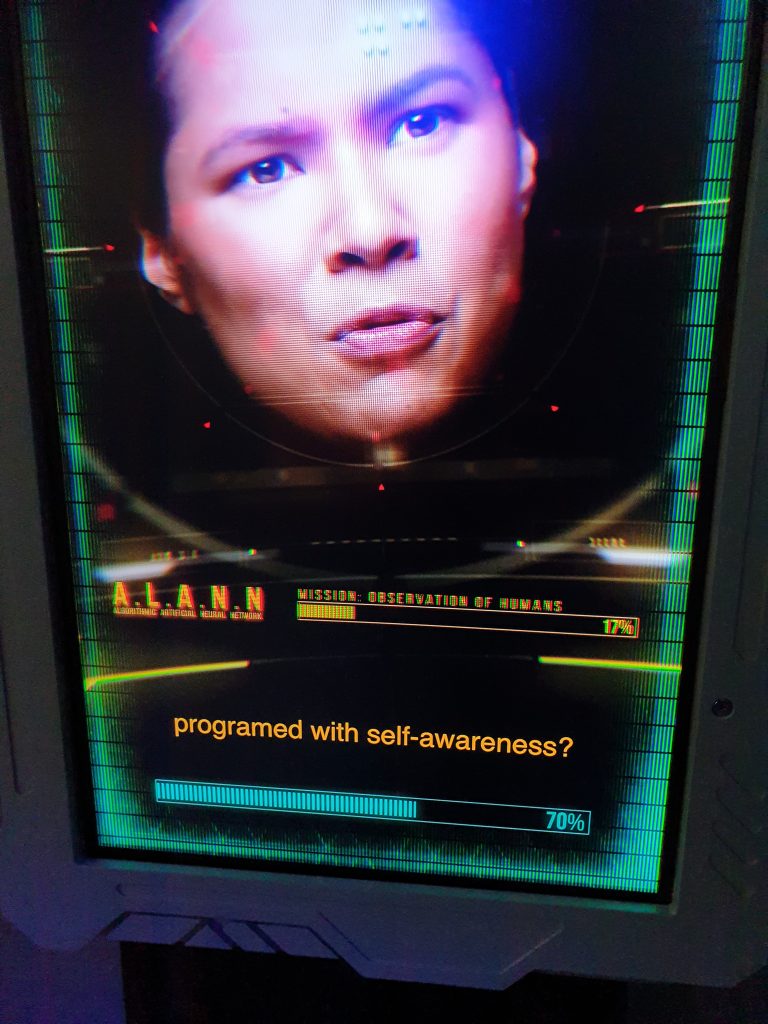
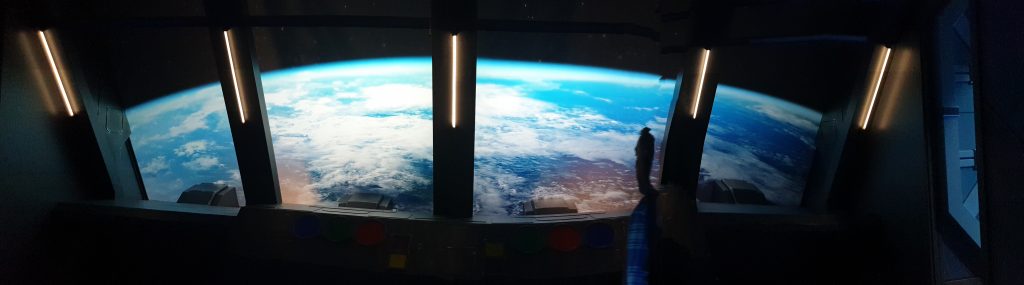
Going past the BBC at 100 cabinet on the lower ground floor, (disappointing really with just three exhibits which include a Cyberman) Voyage to the Edge of Imagination has been curated with a touch of the theatrical to appeal to children and adults alike. So, when you go into the exhibition you are welcomed to a spaceport to “board a space shuttle” going to the Azimuth. I rather like that appeal to the imagination as a set of doors close and display monitors spring into action as the spaceship “takes off” and we are introduced to ALAAN, an artificial intelligence whose mission is to observe and investigate us, humans. Once we “land” the exhibition opens up with several rooms encompassing different themes.
A starting point in the first room (made up as a spaceship console room) for the exhibition is humankind venturing into space in the 1960’s. The influence of film and tv science fiction towards that is acknowledged with references to various films including Sunshine 2007, Alien 1979 and The Fifth Element 1997. Television is also represented with a large ship prop from Star Trek. The real science and fiction fuse with what I thought was a stunning-looking spacesuit from the final Apollo mission in 1972. Granted it was a replica, but original and replica costumes and props do sit side by side in this exhibition.

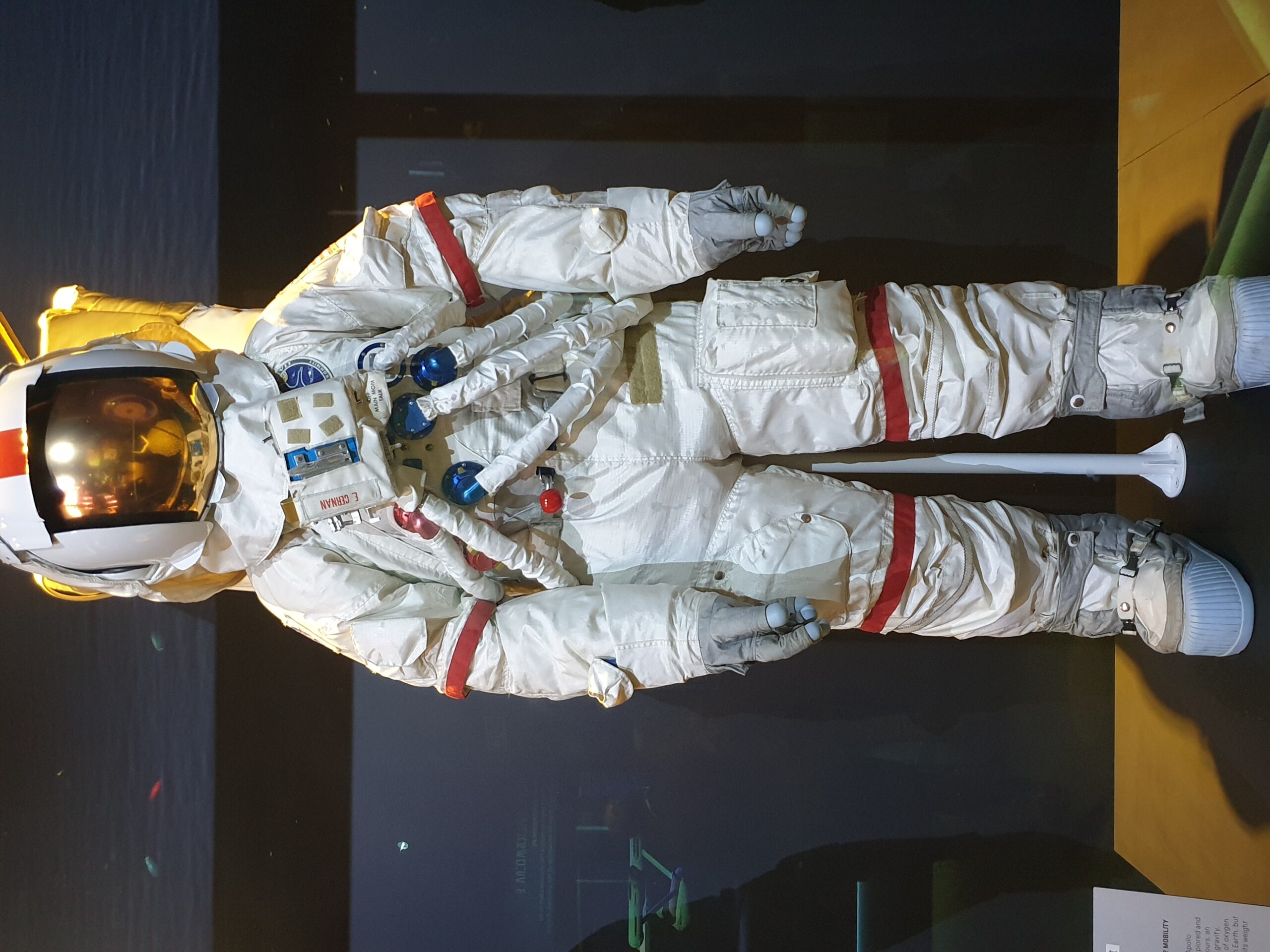
The Visualisation Deck
The artificial intelligence ALAAN via a series of touchscreens is a chattering presence asking questions as she probes to engender us the audience to think about the connections in the exhibition as we explore various rooms.
One of the themes that I thought was interesting and some of the props displayed on the Visualisation Deck, is how humanity has retained anxieties about how they evolve in the future and does that mean losing their identity. So, there is a Dalek on display reflecting a possible future where humans have evolved to be encased in metal disassociated from their biological origins completely. But there are also the robots from I, Robot, where societies imbue their robots with a technology called a “positronic brain,” giving them a form of consciousness that humans also possess. This serves to highlight an uneasy relationship between robots and humans.
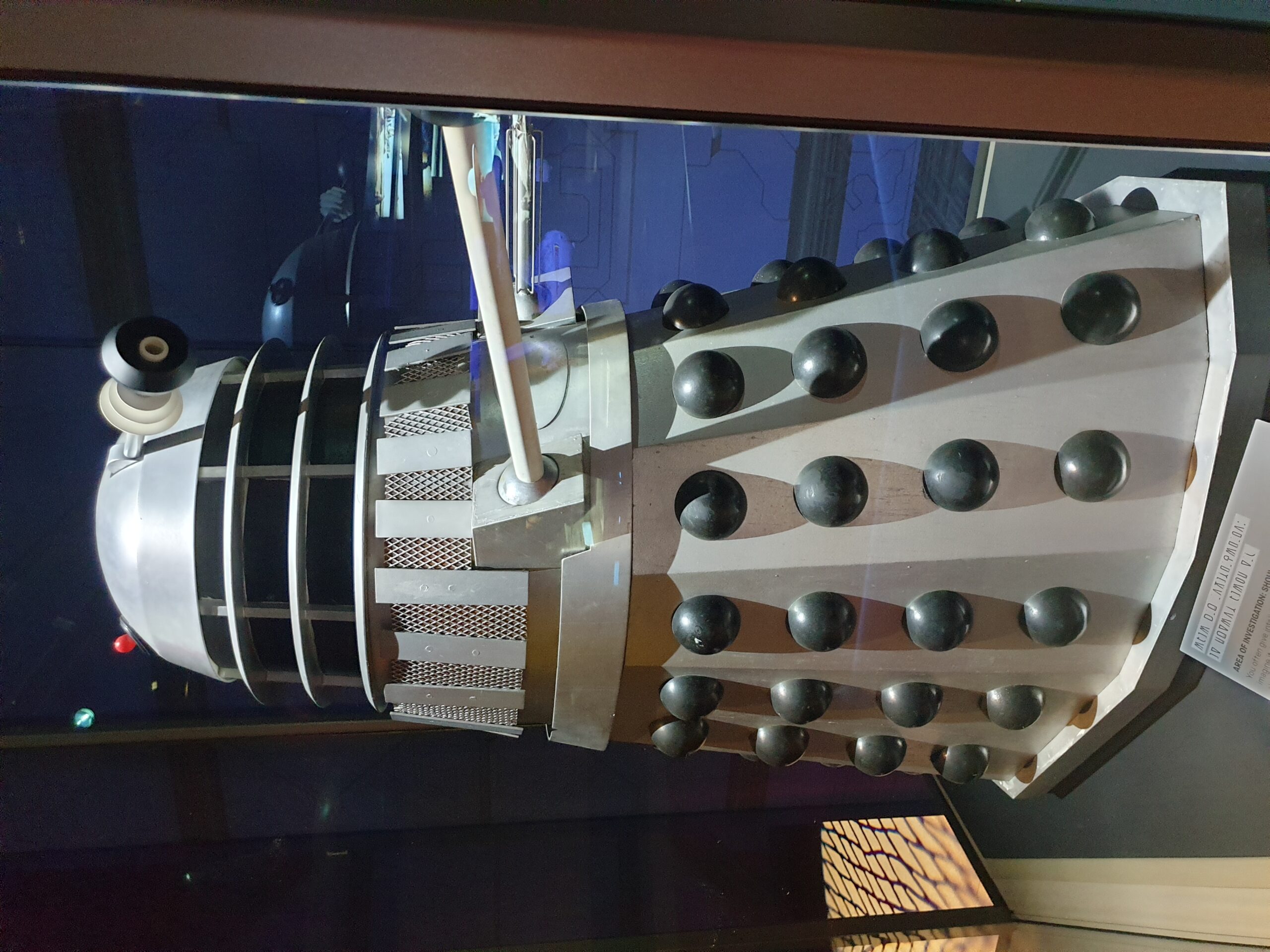
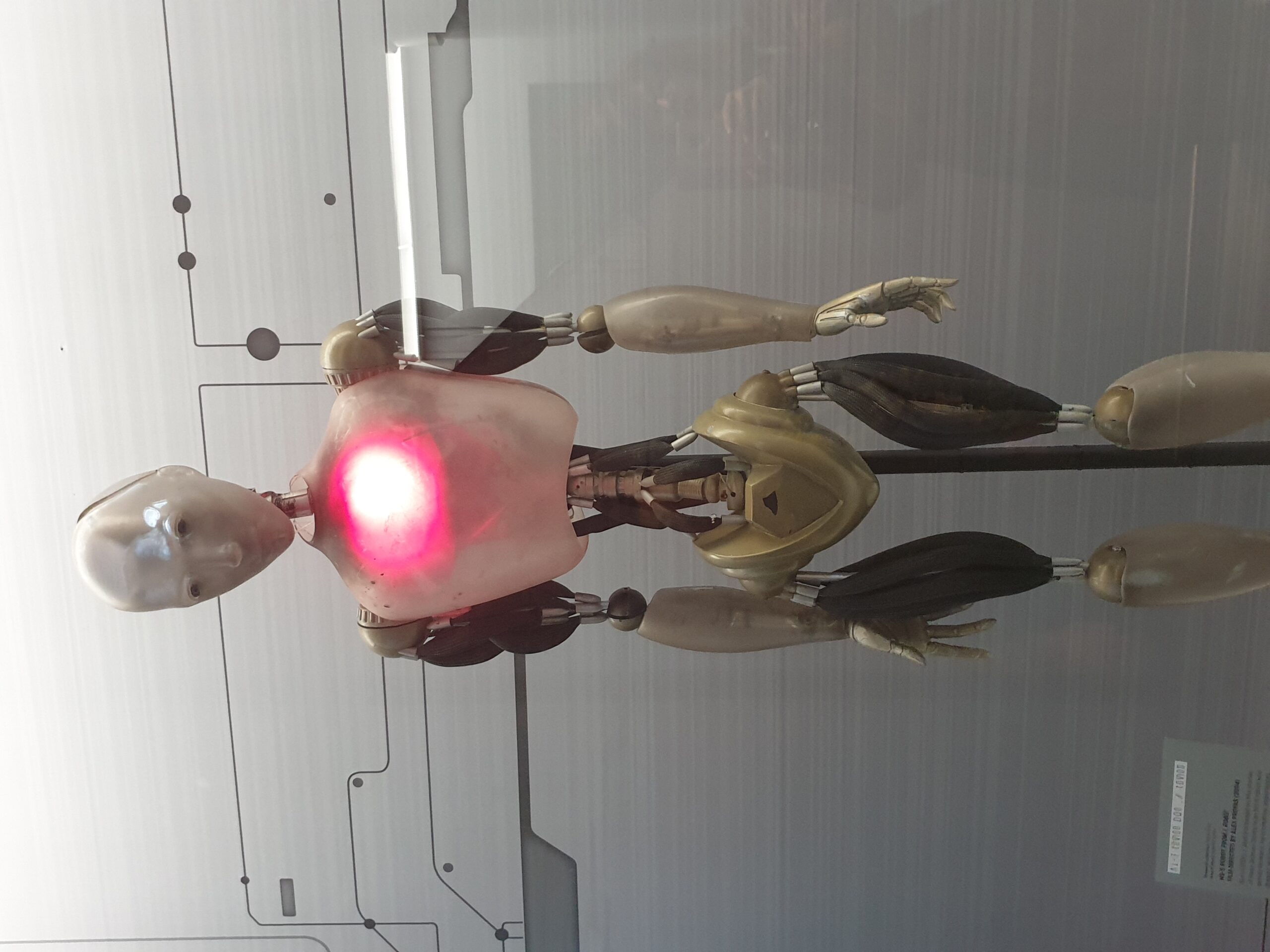

Imagining the future in the past
As you move further into the “ship” the imagination of various authors such as Mary Shelley and the filmmakers of the early 20th century ask us to consider moral questions such as artificial people and their creation bringing unexpected consequences leading to death and destruction. There are various film acknowledgements and props to see which will delight you in this section. The question is asked if humans create something in their image do they treat it as an equal and also do artificial people have rights? There is also a broader question as to how humans also treat each other.


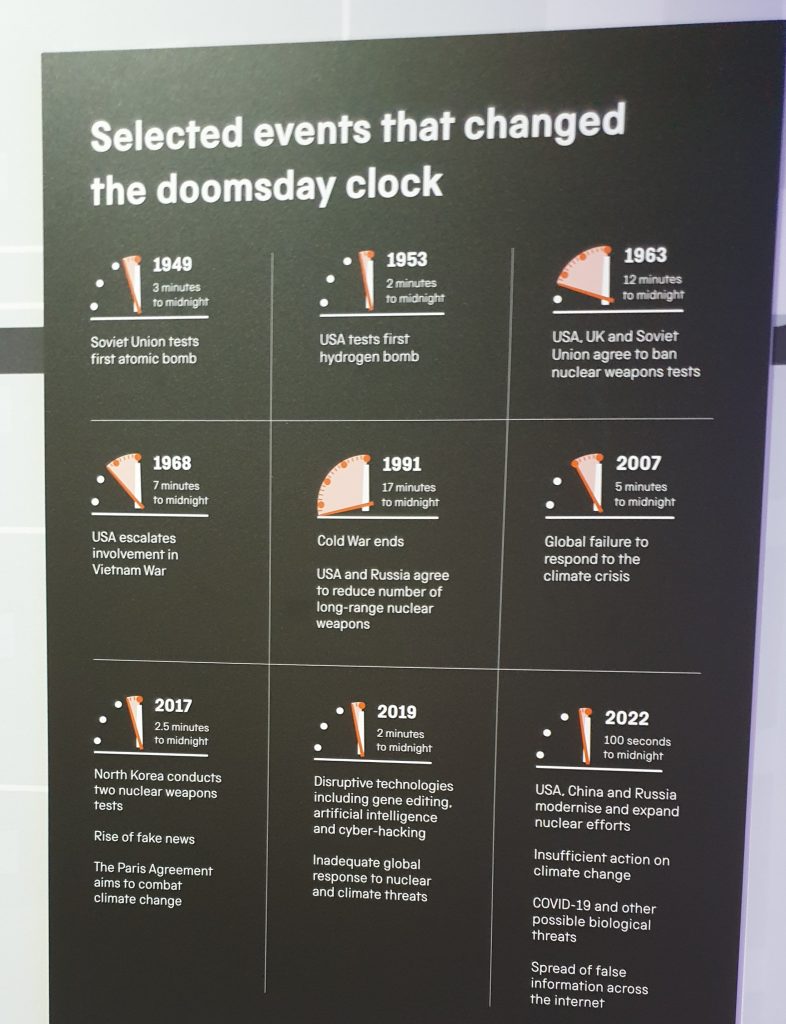
There is a stark reminder of man’s ability for destruction with a twisted metal cup on display salvaged from Hiroshima which personally gave me a shiver. The United States detonated two atomic bombs over the Japanese cities of Hiroshima and Nagasaki on the 6th and 9th of August 1945, respectively. The two bombings killed between 129,000 and 226,000 people.
The Doomsday Clock – A symbolic clock whose time is moved closer to and further away from midnight to indicate the current likelihood of a man-made catastrophe causing the destruction of the world:
However, the exhibition doesn’t dwell only on the darkness of disasters of the past or future. Science fiction has used its imagination constantly and science has taken inspiration from there for its innovations. One aspect the exhibition covers well is how the medical world has been influenced by diagnostics. There is a replica of the Star Trek tricorder a futuristic device used by Spock and Dr McCoy which was a medical multi-function toolkit. It was able to scan, diagnose and analyse as well as being a sensor. Next to the tricorder is a Dxter scanner designed to resemble the tricorder and can according to their website detect 34 different medical conditions and monitor 5 vital signs
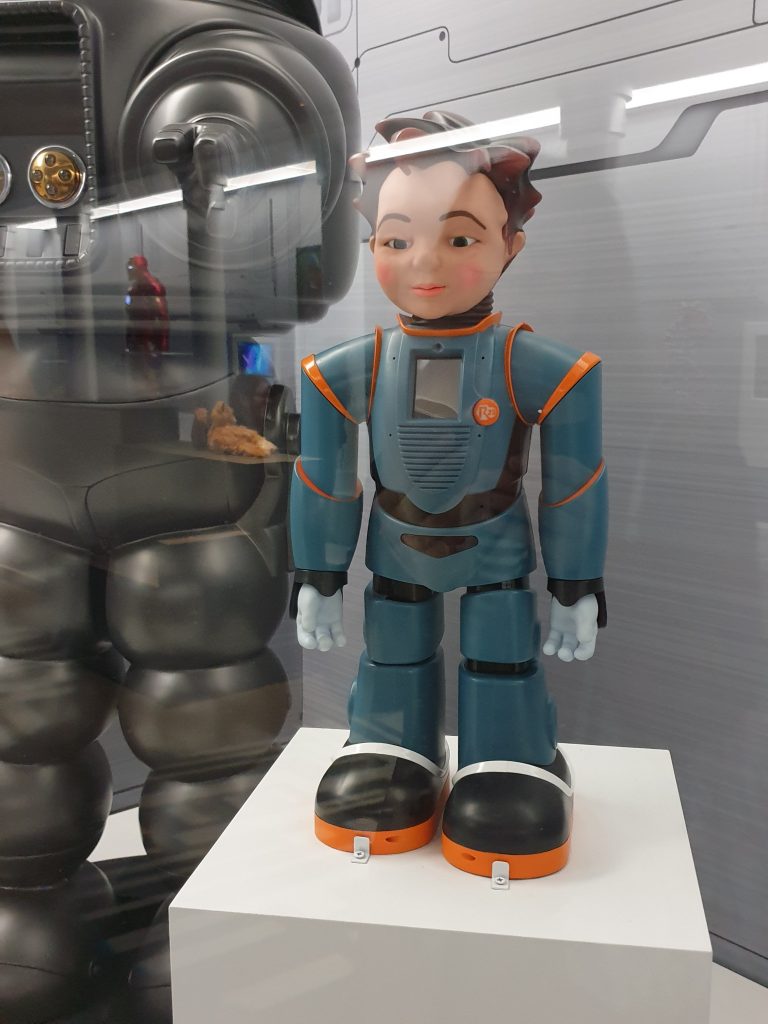
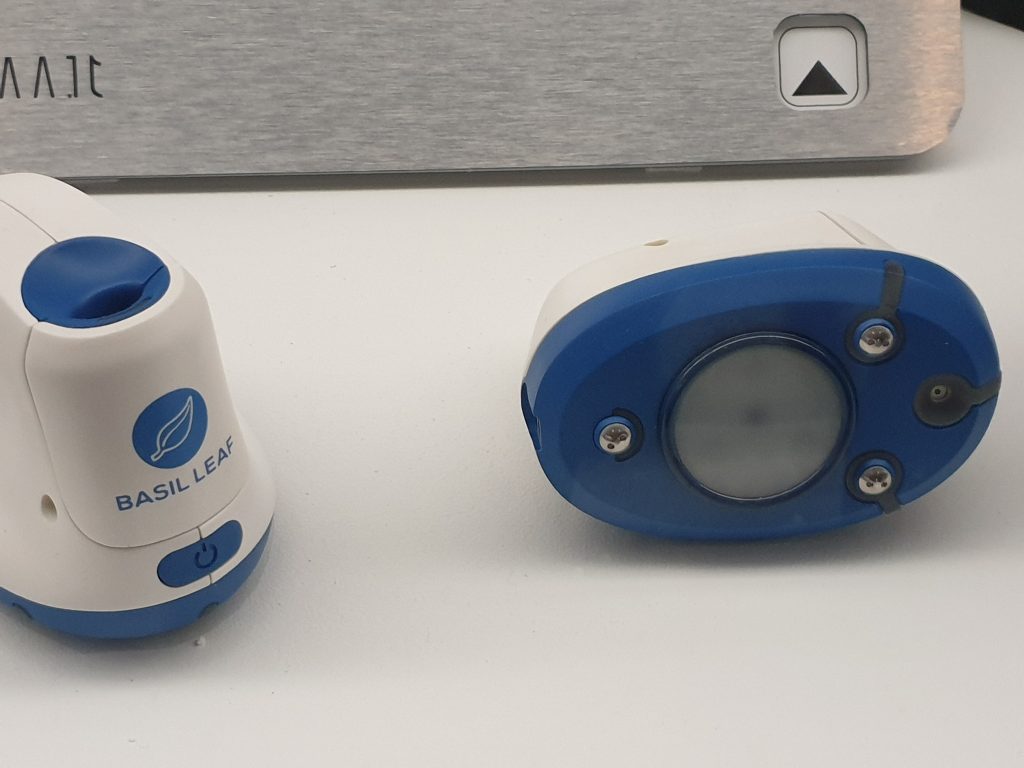
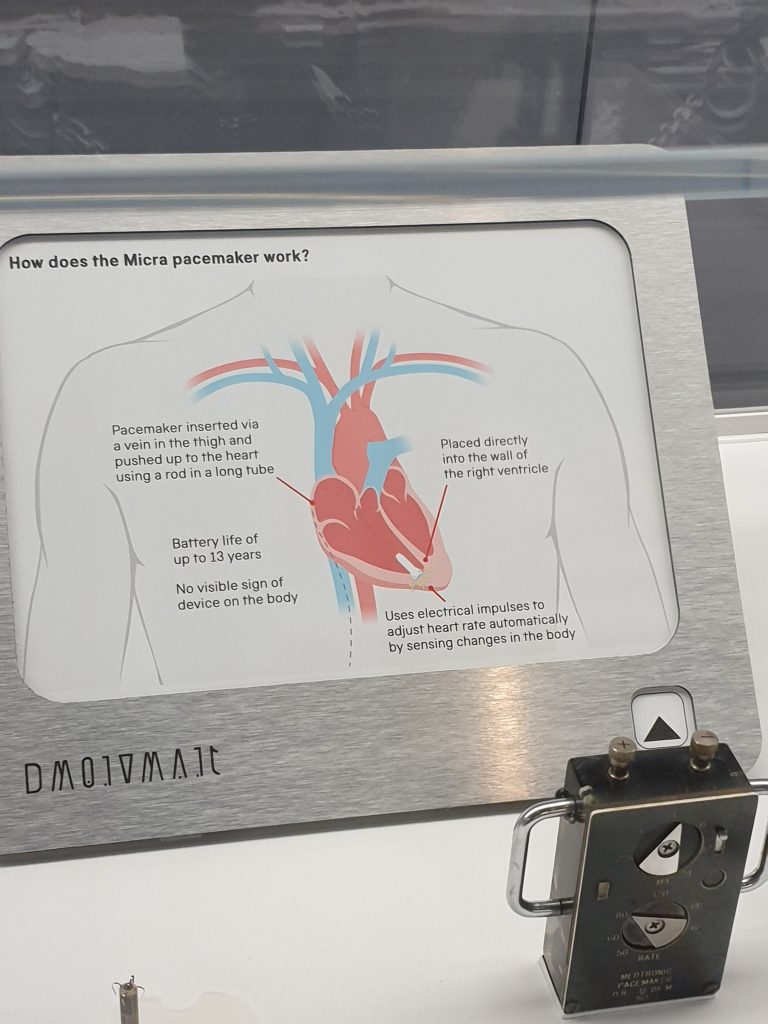
In a couple of recorded inserts on the display screens, two scientists discuss the importance of imagination in science to find solutions to current issues. One of the pressing issues used as an example is the impact of climate change with floods wreaking havoc all over the world. Scientists have knowledge but creative imagination will also be required to produce long-term solutions.
But the experience isn’t just about exhibits. The exhibition tries to inject an element of fun and the inner child in me did enjoy the interactive elements I tried. Touchscreens explaining the science of space flight allowed me to feel very pleased with myself to plot a journey to a planet in a far solar system and then “fly” to the destination using levels and buttons. It was very basic but somehow appealed to the game-playing person I am.
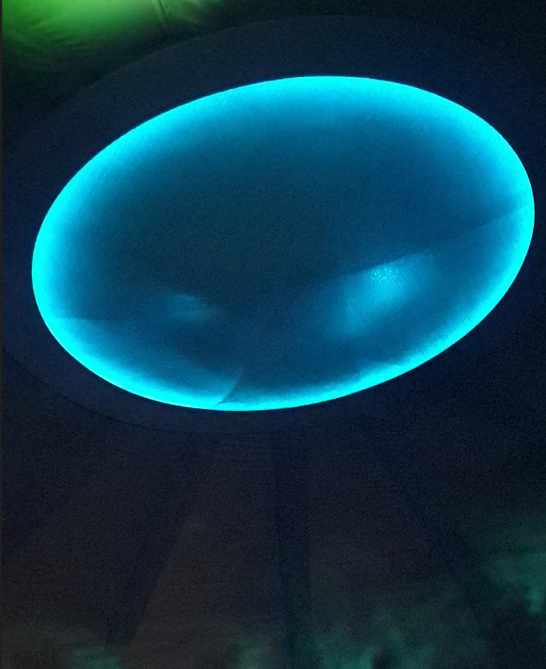
There is also beyond the game playing and mock spaceship set-up an effort to create a visually exciting experience for visitors
In conclusion, there has been a lot of thought from the museum in putting this exhibition together using a mix of visual interest and self-directed interactivity but there are some gaps. I would have liked to see a mention of the contribution of Asimov or Clarke. There is a solitary Dalek replica and the Darth Vadar helmet from The Empire Strikes Back 1980 for two of the most successful or popular franchises around. The exhibition acknowledges their contribution but lacks the depth connoisseurs of the genre might expect.
However, with the space, you have to acknowledge there is so much in science fiction media that the Science Museum couldn’t hold everything. It is definitely worth spending an afternoon here especially if you include a visit to the neighbouring free Exploring Space show area which has some super full-size rockets and displays of our planets in the solar system.
Voyage to the Edge of Imagination (located in the Special Exhibition Gallery 1, level 1) https://youtu.be/b5YpW2fAV-4
Costs £20 (book in advance) and runs until 4th May 2023


Comments
No one has left a comment yet.
Be the first and get the conversation going.