

Could Doctor Who Adopt A Shared MCU-Style Shared Universe?
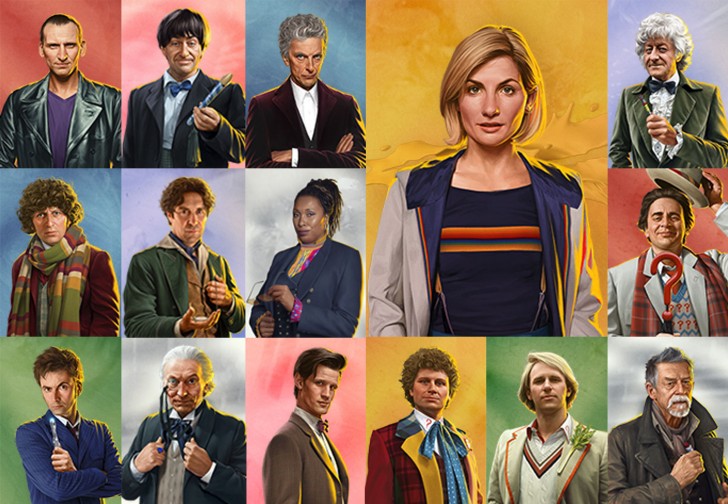
By its very nature, Doctor Who has always been a show about adaption and change. There are constant changes in production staff, different companions and actors, even the Doctor regenerates every so often. Change and renewal was practically written into the show’s DNA, from the moment the Doctor leaves Susan behind in The Dalek Invasion of Earth.
If it wasn’t for the regeneration from William Hartnell into Patrick Troughton in 1966, then the show wouldn’t have even survived the sixties.
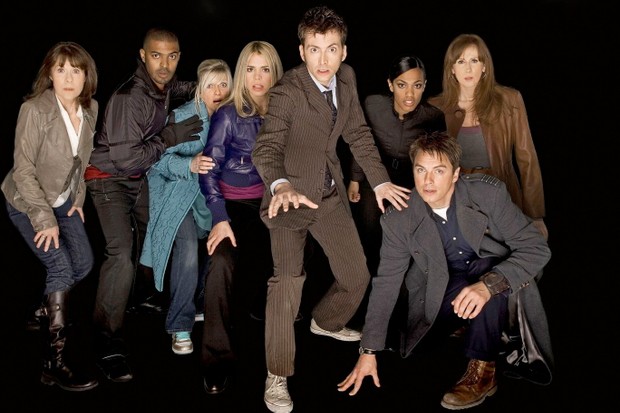
When the show returned in 2005, it had changed once again. Gone was the serialised form of story-telling, the four or six-part structure to telling stories and in its place had come a 45 minute format, something that the show had toyed with once before in the 1980s.
Once again, the Doctor had changed. Gone was Paul McGann and here was Christopher Eccleston. There was a brand new companion in Rose Tyler, a working-class young woman from London. Previously companions had been teenagers, working adults, aliens or robotic dogs. There was even talk that the Daleks would never be returning. But the show easily adapted to the changes in the way television was made nowadays and that’s the format that has stuck for the last sixteen years.
But the way media is consumed has changed once again. With major streaming services like Netflix and Amazon Prime, dropping entire series’ at once, it’s opened up a binging culture, no more do we have to wait an entire week to watch a series, now we can fit it all in one day.
That doesn’t mean that people don’t watch television like they usually do, and Doctor Who has stuck to the one-episode-a-week, format. Viewing figures are still high, despite what various ‘sources’ will tell you, the drop in viewing figures towards the end of a series is mainly a reflection on how media is consumed nowadays.
In recent years though, really since 2007 when the first Iron Man movie came out from Marvel Studios, television and movie studios have had to adapt once again to the way story-telling has been entertaining people. Spin-off media is nothing new, plenty of television series have spun off into other series, but Marvel Studios was one of the first production companies to put all their various movies and spin-off media into one ‘universe’, keeping every concise and connected, for the most part, to its parent products.
With the success of the Avengers franchise, nearly every other studio has tried to do something similar. We’ve got Star Wars and Star Trek making their series more connected than ever before. We’ve got the Conjuring-verse, a series of connected horror movies, that span, so far, from The Conjuring to The Devil Made Me Do It, with Annabelle and The Nun, sandwiched in between.
They’ve even tried to do it with the Jurassic Park movies! On television, we’ve got The CW giving us the Arrowverse, the television adventures of various superheroes including Green Arrow, The Flash, Supergirl, Legends of Tomorrow, Batwoman, Black Lightening and Stargirl. They’ve done incredibly well and are a great template for how shows like Doctor Who could do connected story-telling in a similar vein.
There is an argument to be made though that you would have to watch everything to understand the stories. Not true. What the Arrowverse does brilliantly is give us crossovers once a year, we’ve had stories like Invasion!, Crisis on Earth X, Elseworlds and Crisis on Infinite Earths, all of which, do, yes, change each show that is involved, but the writers never rest on the idea that its only fans that will tune in. In Infinite Earths, Batwoman is given a piece of Kryptonite that could stop Supergirl if necessary. While she doesn’t use it, it does play a part in the Batwoman series, where we discover that it’s missing and that it is the only thing capable of piercing the Batsuit.
There isn’t a lengthy explanation of where the Kryptonite came from, instead just a little comment so that anyone watching can understand how something relating to Superman, comes to be in Batwoman. There are also plenty of references and nods to the other shows that play no big part in the storytelling of a particular series, they just work as little nods for the fans who do dedicate themselves to the many different series.
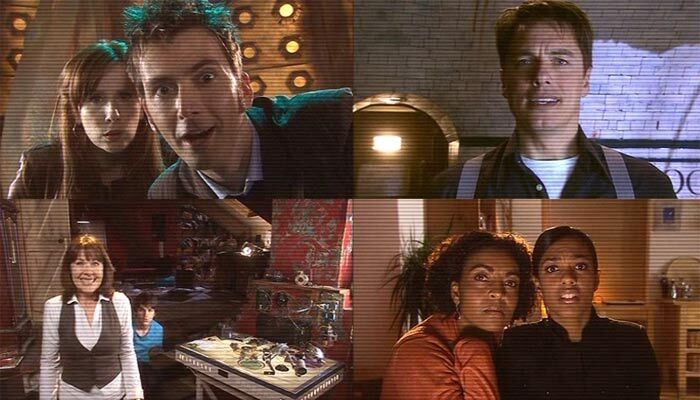
This is similar to what Doctor Who has already done too. Many people seem to forget when explaining why the show shouldn’t adapt to this form of storytelling more than Russell T. Davies already did this with the show, though on a less grand scale. He even leads everything up to what feels like Doctor Who’s version of Avengers: Endgame with The Stolen Earth/Journey’s End. What’s interesting is how he did it. We got two series of Doctor Who before Torchwood entered the fray at the end of 2006.
We’d already been introduced to the idea of Torchwood by the end of Series 1 with it being the answer to a question asked by the Anne Droid in Bad Wolf. Sarah Jane Smith would then return in Series 2’s School Reunion where he was surprised at the response her return got. So much so that a year later in 2007, she would get her own spin-off in the form of The Sarah Jane Adventures.
Throughout Series 1 of Torchwood, there were posters saying Vote Saxon, joining the show to the finale of Series 3 of Doctor Who where Saxon turned out to be The Master. Being a CBBC show, The Sarah Jane Adventures was a little lighter on the references to the previous series of the main show, instead that relied on nods to the past and returning monsters like The Slitheen and Sontarans. But even those returning monsters were because of past experiences with the Doctor. The Slitheen were out for revenge because of the Downing Street incident with the Ninth Doctor and the Sontaran Karg out for revenge on anyone to do with the Doctor because of the ATMOS disaster.
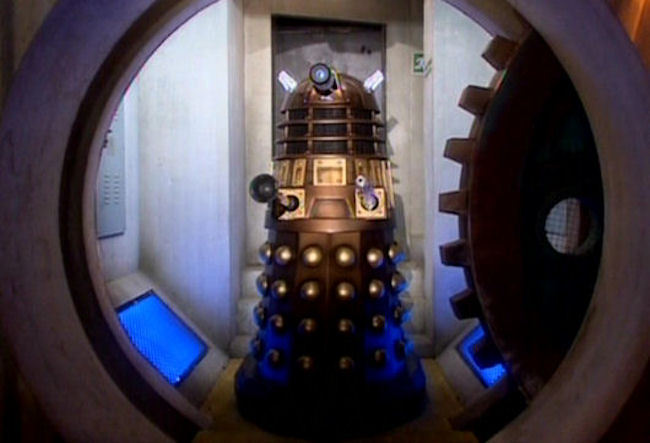
The reason that those spin-off shows worked, as opposed to others like Class or even the Australian K-9 series is that they appealed to the wider Doctor Who audience as well as the casual viewer. Torchwood featured characters like Captain Jack who audiences had seen as a companion alongside the Ninth Doctor, as well as characters and actors like Toshiko, who it has been confirmed was the doctor looking at the Space Pig in Aliens of London and Eve Myles who played a descendant of her character Gwen Cooper, in the Ninth Doctor story, The Unquiet Dead.
The Sarah Jane Adventures on the other hand featured plenty for older viewers who would be watching with their children. As well as lines about creatures Sarah had met in the classic series, there are plenty of little references in the Attic set, from her toy Owl from The Hand of Fear to blueprints of Scaroth’s ship in City of Death to press pictures of K-9 and Company. Apart from Peter Capaldi appearing in the opening episode of Class, the series steered away from the wider Doctor Who universe despite being set in the Coal Hill School. And the less said about the K-9 series, the better!
One could argue that the Davies era of the show set up things like the Arrowverse. The creators of shows like The Flash and Legends of Tomorrow are fans of Who, and many episodes and set designs feature references to Doctor Who. So for people who think that a shared universe wouldn’t work, there is plenty of evidence to suggest otherwise.
Doctor Who has indeed done it before. I think where people might get worried is looking at some of the Marvel output like WandaVision which debuted on Disney+ and that Doctor Who would move to an online exclusive only. Personally, I don’t think that would happen, mainly because alongside shows like Strictly Come Dancing, it’s one of the BBC’s biggest moneymakers. I don’t think that they would make the mistake of moving Doctor Who to BBC IPlayer and then dropping the entire series in one go. Though some have said that maybe it’s time a company like Netlflix takes charge of Doctor Who.
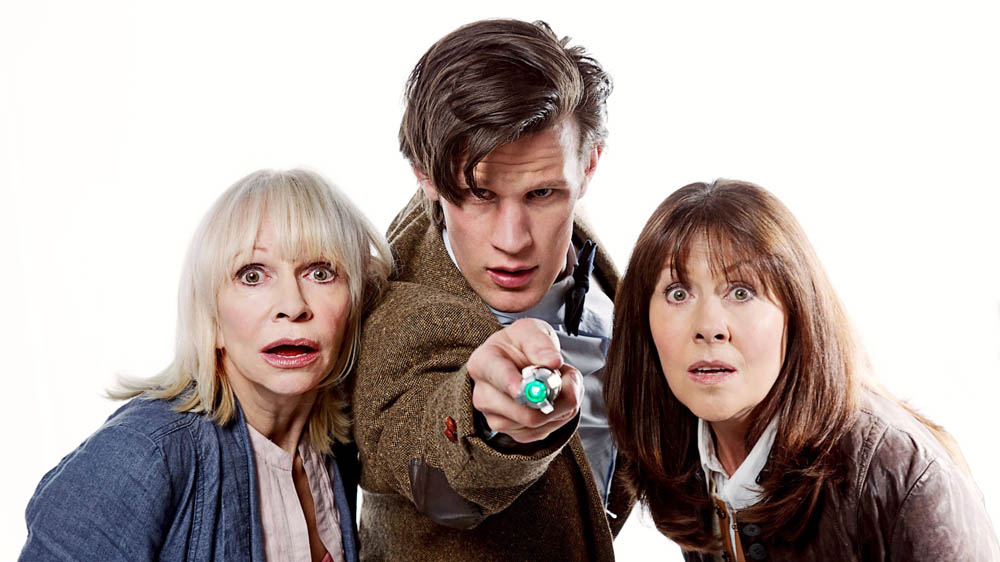
Would it be better if someone like Netflix took charge of Doctor Who? Well, we’d get a better budget and many millions of more viewers, but I think that the essence of Doctor Who might be lost along the way. Having said that, Netflix has taken shows like Lucifer and forged a better direction for it than it was getting on prime time television, so maybe Doctor Who would be in safe hands. For the time being though, unless it’s cancelled, which I don’t see happening soon, Doctor Who will remain a BBC commodity.
That doesn’t mean though that any spin-off shows would have to be. Why not create a spin-off that would work on Netflix? Why not create some that would be BBC3 exclusives or Britbox exclusives? So long as they aren’t too connected, unless attempting an Arrowverse crossover, there shouldn’t be too much to worry about.
Over the last year, The Doctor Who Big Blue Box Podcast has allowed me to explore my creative side and produce a series of articles detailing how I would handle the show, was I ever given the show-runners seat. What started off as a series of Doctor Who articles, quickly developed into including spin-off shows. We’ve published things like outlines for A Charitable Earth, UNIT and Torchwood so far, but these would form a great basis for showing how a shared universe of storytelling might work in Doctor Who’s favour in the future.
So, if you’ll indulge me a little longer, I’ll break down my articles into ‘Phases’, which I’ve planned out a few as well as what channel they might be featured on, much like the Marvel Cinematic Universe is broken up into.
Phase One:
Doctor Who – Series 1: BBC One
Doctor Who – Series 2: BBC One
Doctor Who – Series 3: BBC One
Doctor Who – Series 4: BBC One
In Phase One, we would have four series of Doctor Who proper to introduce you back into the mythos of the show, as well as re-introducing various aspects of the show, including using UNIT and Torchwood organisations as well as introducing things that will form episodes of the spin-off shows, such as the beginning of the peace treaty between the Human race and Sea Devils. Series 3 would also feature the return of Torchwood enemy Bilis Manger who will return to be the big bad for Torchwood in the next phase.
Phase Two
A Charitable Earth – Series 1 – BBC 2
Doctor Who – Series 5 – BBC One
UNIT – Series 1 – BBC 2
Torchwood Resurrection – Series 1 – BBC 2
With Phase one having introduced or re-introduced characters and concepts from across some of the Doctor Who mythos, Phase 2 will be a little braver in how it tells its stories. While Doctor Who will stay on BBC One, its spin-offs would feature on BBC 2, at a slightly later time. It’s not the first time that Who spin-offs have been shown on the channel. It reran the first series of Torchwood and then was the home for the show from its second series and later reran Class a few years ago.
It will also run the spin-offs on consecutive days, so A Charitable Earth would be something like a Tuesday, UNIT – Wednesday, Torchwood – Thursday while Doctor Who would remain on a Saturday or Sunday weekend slot. It’s a similar format to how Sky One broadcasts the shows from the Arrowverse, not only does it mean it ensures viewers to the channel, but when there are big crossovers it makes it easier for people to see it if it’s all in one place.
Speaking of crossovers, Phase 2 would see the introduction of a yearly crossover. Conversion would link back to The Invasion with A Charitable Earth investigating the uncovering of a Cyberman conversion plant in the sewers and then gradually waking up and beginning to turn people into Cybermen, this would draw the other shows into the crossover as it would take almost everyone to defeat the Cybermen.
What Phase 2 would also explore is some of the more obscure aspects of the Doctor Who mythos, pulling in for fans things like The Faction Paradox from BBC Books and Project Glasshouse from the Virgin Books. This is something that Marvel has gotten more comfortable over the years, taking more obscure characters and concepts and giving them their time to shine. I’ve long thought that Doctor Who should be braver to include things like that.
Phase Three
A Charitable Earth – Series 2: BBC 2
Doctor Who – Series 6: BBC One
Lytton Series 1: BBC 3
UNIT – Series 2: BBC 2
Torchwood City of Shadows – Series 2: BBC 2
Phase 3, although I’ve not finished writing the articles yet, would hypothetically feature the first of the online exclusive series, Lytton, which wouldn’t heavily feature any proper Doctor Who involvement and would be a little more adult in its storytelling. Not to the length that Torchwood was more adult, but in tone, along the lines with other products released on BBC3.
From here, further mini-series can be produced and put out on BBC3, once a week. I’ve got plans to write articles for series like The Cult of Skaro, Peladon, The Corsair and The Death Zone in a similar fashion.
–
As I’m sure you’ve gathered by now, I firmly believe that Doctor Who could and, in my opinion, should adapt to a shared universe way of story-telling. I think the connectivity of things like Marvel’s, MCU might put people off but it doesn’t strictly need to be like that. Instead, it can be a number of shows that don’t require the audience to have seen everything that came before it.
I believe that by putting the building blocks for the first batch of spin-off media into the main show proper first, much like the first two Iron Man films did, that the audience will already be familiar with various aspects that would feature in things like A Charitable Earth.
Something else that would play a large part in this type of story-telling would also be taking aspects from all different forms of media Doctor Who occupies. By looking at things from the two ranges of books Virgin published, BBC Books and Big Finish have put out, or things from Titan Comics. I think there are many fans who would love to see some of their favourite characters from those outlets on screen.
As my series of articles continues, I’ve plans to bring in characters like Erimem, Charley Pollard, Hex, Abby and Zara, The Faction Paradox, LONGBOW and the Counter Measures teams to name a few, all taken from different media.
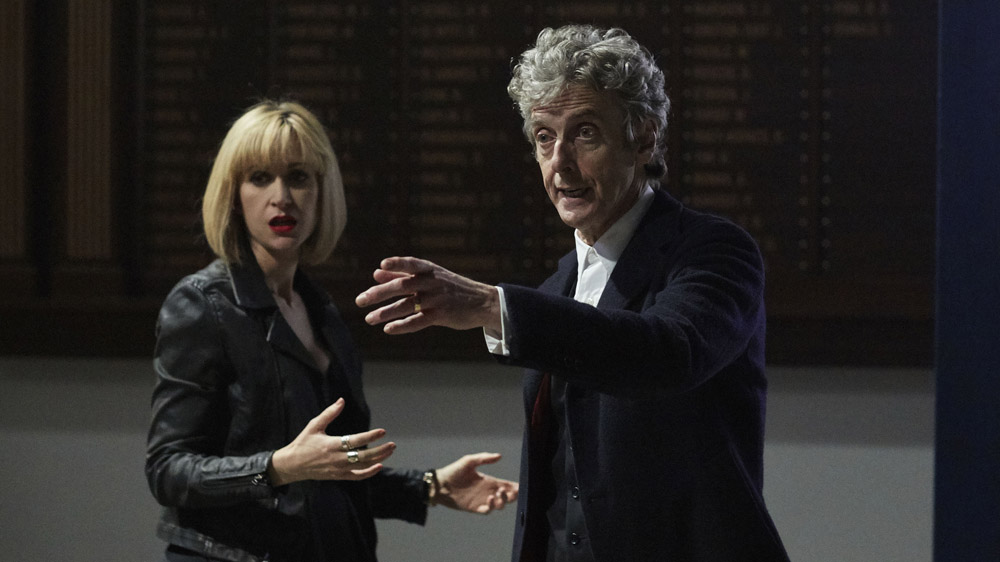
There is an element of danger though and I fear it’s a trap that Big Finish has fallen into in recent years and that is relying on re-visiting characters and concepts that no one really wants to be explored. For example, when Lady Christina was announced as an upcoming boxset, I don’t remember anyone really looking forward to it. As it happened, the stories in both volumes of this series have been excellent, but I think it was still a strange character to take and give a spin-off too.
Looking at Marvel, see how long it’s taken characters like The Scarlet Witch, Vision, Loki and Hawkeye to get their own spin-off series. I think they needed to be built up before audiences cared for them. Had Hawkeye received a television series after his minuscule appearance in the first Thor movie, I don’t think anyone would have watched it. Maybe had Lady Christina been a companion for the final David Tennant episodes, then the announcement of her own series would have been met with greater anticipation.
So I think that, while a shared universe is the way forward, just plucking any character from the mythos of the show, would be a mistake.
Of course, there will always be those who are against this type of storytelling. Do I think Marvel are a little comfortable in what they are doing now? Yes. But I think they are only like that because the way they have told their stories were so brilliantly and carefully thought out, that they can produce anything now and it is absolute gold. It’s not a formula anything can follow, I think only franchises that have been around as long as Doctor Who has the mythos to explore a shared universe style of storytelling.
I think there is a danger, especially nowadays with a lack of advertising and general promotion for the last couple of series, that Doctor Who does run the risk of going into obscurity. That would be a tragedy, there are so many positive messages and themes that are yet to be explored that not seeing them would be a shame.
By adapting to a larger MCU style universe, Doctor Who, would not only move into a more modern style of story-telling but would appeal to many more people, I remember at school people who watched Torchwood and The Sarah Jane Adventures, who didn’t watch Doctor Who.
No matter what side of the fence you sit on when it comes to this subject, I think we can agree that more Doctor Who is a great thing, whether that’s from the main show, or from including a number of spin-offs. And let’s not forget that the show has already done a shared universe successfully once, I am more than confident it can do so again to a much larger extent.


Comments
No one has left a comment yet.
Be the first and get the conversation going.