

In Defence of ‘Chibnall Who’

There is a great deal of criticism around the ongoing ‘era’ of Doctor Who, starring Jodie Whittaker as the Doctor and being overseen by showrunner Chris Chibnall. I will admit from the off, it ain’t my favourite iteration of the show. But this article does away with talking about things we dislike. Though that is not an inherently wrong thing to do, that kind of opinion piece has perhaps more potential to incite unconstructive negativity. And above all else, there has been enough of that since Chibbers jumped on the TARDIS in 2018. Instead, faithful readers, we channel our energy today towards appreciation of what ‘Chibnall Who‘ is doing really rather well.
Recently, Mark wrote a great article about how the show can improve going forward. Departing from that, I will point out five aspects of the show (in no particular order) I am currently loving, and feel they should be maintained until Chibnall and Whittaker’s departure in 2022, and beyond. Allonsy!
1. State of the Art Production Values
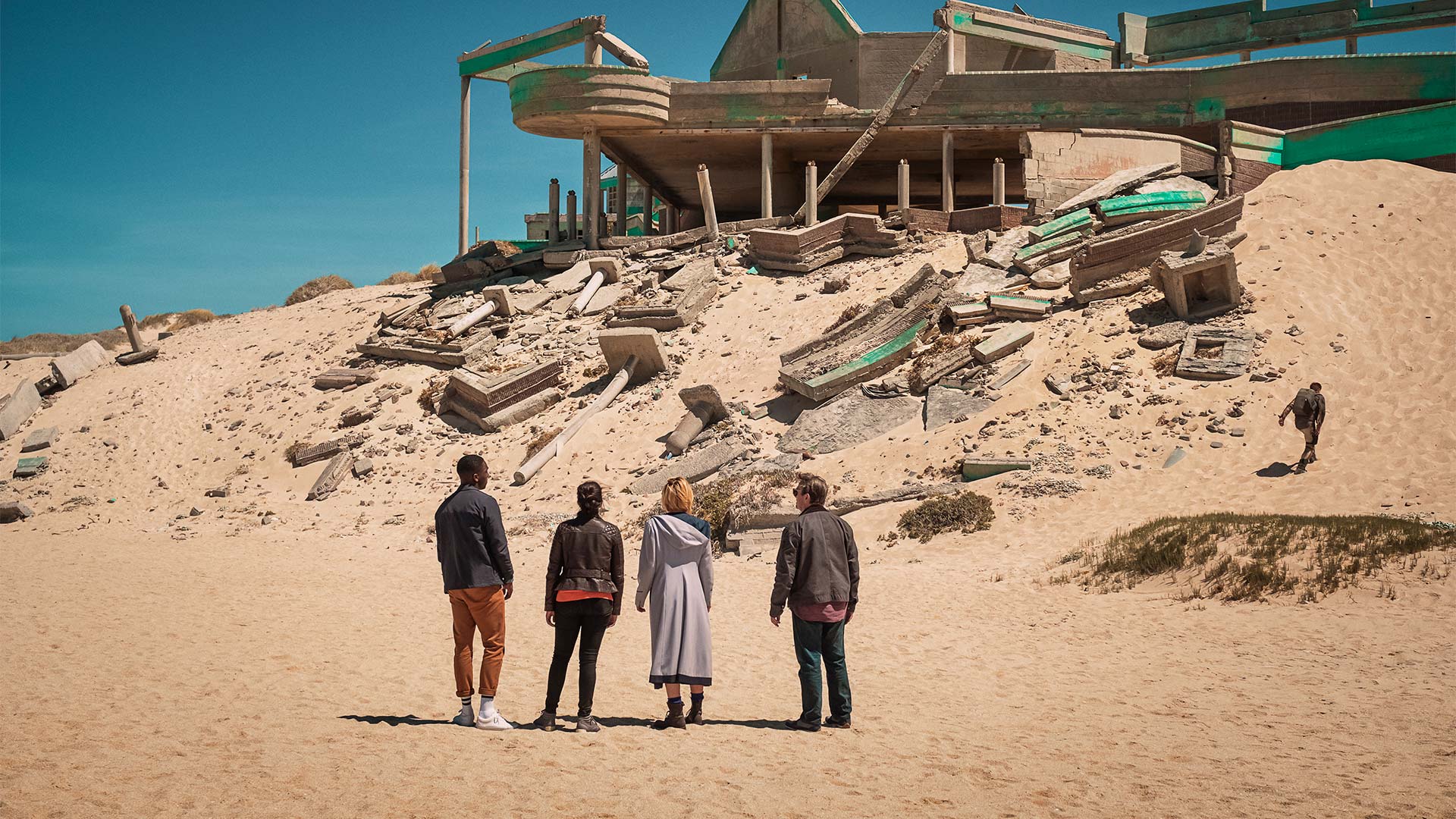
There is a certain charm to the awful (by today’s standards) special FX in 20th century Who. This even goes for some of the early ‘Modern Who’ elements – immediately my mind springs towards the Nestene Consciousness in 2005’s Rose, which looks like a giant bowl of cheese sauce with a face. So I have never really minded Doctor Who‘s production values. They are either made up for by fun storytelling, or by being amusing. But since the genesis of Chibnall’s era, the production values have been utterly stellar.
I can boldly say never have I seen the show look any better. Practical FX look as good as they often do throughout the show’s history. My highlights in series 11-12 are the make-up for the monsters. These include Tzim-Sha with his unnerving tooth-covered face, the Kerblam! man’s eery smile almost reminiscent of something out of Five Night’s At Freddie’s, and the sinister Lone Cyberman’s part-conversion reminding us of the human underneath, rivalling the Mondasian Cybermens’ cloth-covered faces which have the same effect more subtly. There is also a range of stunningly realised locations on Earth (1955 Alabama in Rosa) and beyond (The planet Desolation in The Ghost Monument), which outshine a typical classic series quarry.
With CGI, which gets better as Who goes on, there is no hint of cringe fakery whatsoever. Additions such as giant spiders, Daleks free from their casings and even the blooming Pting slot nicely into the fantastical world the show creates – as do green screen locations. It is quite easy to suspend your disbelief with these aspects of recent episodes.
Regarding the cinematography, I can pick little faults in the camerawork, if any. The aspect ratio (the black bars at the top and bottom of the screen) give the series a visual edge it has never had. I am no editing expert, but I get a feeling the dynamic planning and execution of capturing scenes that go into a seamless sequence making up the episode is perhaps the gold standard for TV nowadays. The colours have also been thought out in detail, with the different settings in time and space and the fixed elements like the Doctor’s costume and TARDIS interior all brimming with life on screen.
All of these elements come together to make for a gorgeous looking programme. Any of the episodes would look at home on a giant cinema screen. Sometimes the stories can leave a lot to be desired, but today’s Doctor Who really does offer a magnificent spectacle that previously we could only have dreamt of.
2. A clear focus on inclusivity
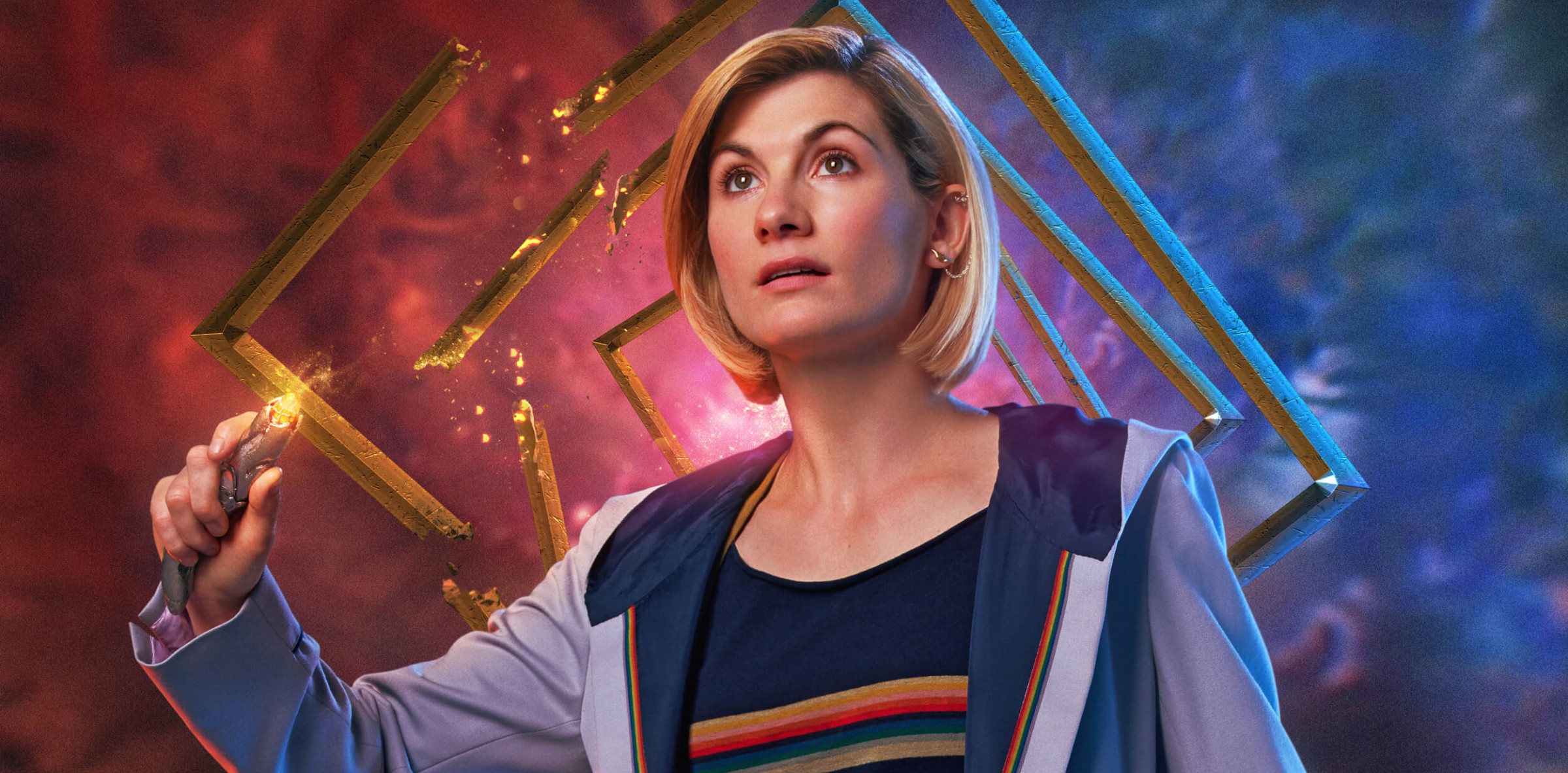
I have a strong hunch that attempting to increase the diversity of representation in the show was an intention by the makers of this era, be it Chibnall or otherwise.
Most notably is Jodie Whittaker as the first female actor to take on the role of the Doctor. Say what you will about her portrayal of the role – I for one am not as keen on it as I am on previous incarnations. But by casting a female Doctor, Chibnall has set a ball rolling, perhaps encouraging his successors to cast for a wider range of future portrayals. A show that has been going on for nearly six decades could do with some variety! After all: exploring, as part of a continuing narrative, new facets of a face-changing alien who can transcend a fixed look, accent or gender is in itself a necessity. Hasn’t change been the driving force of Doctor Who going on for this long?
This extends beyond the Doctor and the representation of gender – never have we seen such a diverse range of race and sexuality represented in the programme. You get the sense that in the Doctor Who universe – just like our universe – there is a large variety of people, each and every one unique.
With representation, like with anything, we all have different expectations. As someone with autism spectrum disorder, and someone who is passionate about ASD representation in performance (I promise I am, I wrote a whole dissertation about it), I would love to see more autistic characters in Doctor Who. The important thing is that the current diversity in Who sets the stage for it to stay, and even expand as time goes on.
Some might condemn the series for becoming too ‘woke’. My stance is this: while telling a good story is paramount and it should not be sidelined for political messages, politics does not have to be ruled out altogether. Popular media – especially a show as popular as Who – has a certain responsibility in my eyes to favour more inclusive ideals, to avoid perpetuating harmful ones. If nothing else, beginning to steer the show towards greater diversity can help audiences feel welcomed and validated, as well as entertained by the show. And that is a very wonderful thing indeed.
3. Sacha Dhawan as The Master
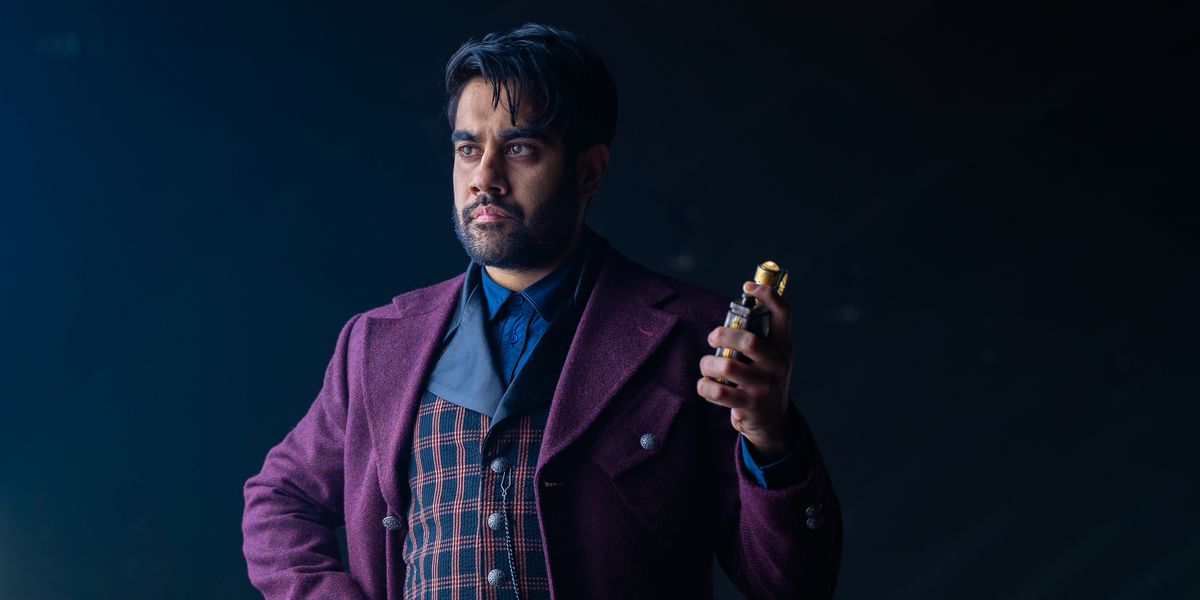
From the first moment Sacha Dhawan was revealed as the newest incarnation of the Master in Spyfall, Part One, I could tell very quickly he would be up there among the greatest who have portrayed the character. In fact, his capabilities as an actor were evident before this point, when he portrays the dastardly villain putting up a facade as the unassuming O. It usually takes me a couple of episodes to warm up to a new Doctor or Master, so what is it about Dhawan that appeals instantly?
There are certain actors who just seem made for certain parts. Dhawan has got one of those expressive faces that lends itself to more gentle characters, or those of the ‘badder’ variety. Perfect for the Master of disguise, is it not? He is also gifted with a prominent, cutting and memorable voice, suitable for any manner of role (in the same way as Louise Jameson, who played fourth Doctor companion Leela. Hearing her voice echoing in a theatre when she performs in a play is an EXPERIENCE).
Most important is the way Sacha as an actor uses his physicality and voice. He is bursting with energy. He is together and sophisticated – a suave villain like Roger Delgado’s incarnation. And yet, Dhawan also portrays the Master much like John Simm – very maniacally. He is erratic, a loose cannon. This is prominent in his overbearing evil laugh from which I feel a sense of the character’s core traits in series 12: anger (in his jealously of the Doctor, always more special than him, now confirmed by the revelation that she is the timeless child) and madness (befitting of his evil plans in collaboration with the Kasaavin and Regenerating Time Lord Cybermen (still cannot get over how bonkers that is)).
And that costume. It is cracking. Nuff said.
My one gripe with the Master in this era is the lack of acknowledgement of the recent character development before Chinball took over. The captivating arc involving Michelle Gomez’s incarnation understanding more of her good side seems to have zero consequence on the characterisation of the Master in Series 12. This new incarnation just goes back to being totally evil, and there is no mention of any of the recent interactions between the Master and the Doctor. I love continuity, so this apparent ignorance towards recent developments is disappointing. However, Sacha Dhawan’s portrayal is so fantastic, I can live with this issue. I have my fingers crossed that he will turn up in some of Jodie’s last episodes, and would be ecstatic if he continues to play the part for years to come.
4. Genuinely Jaw-Dropping moments
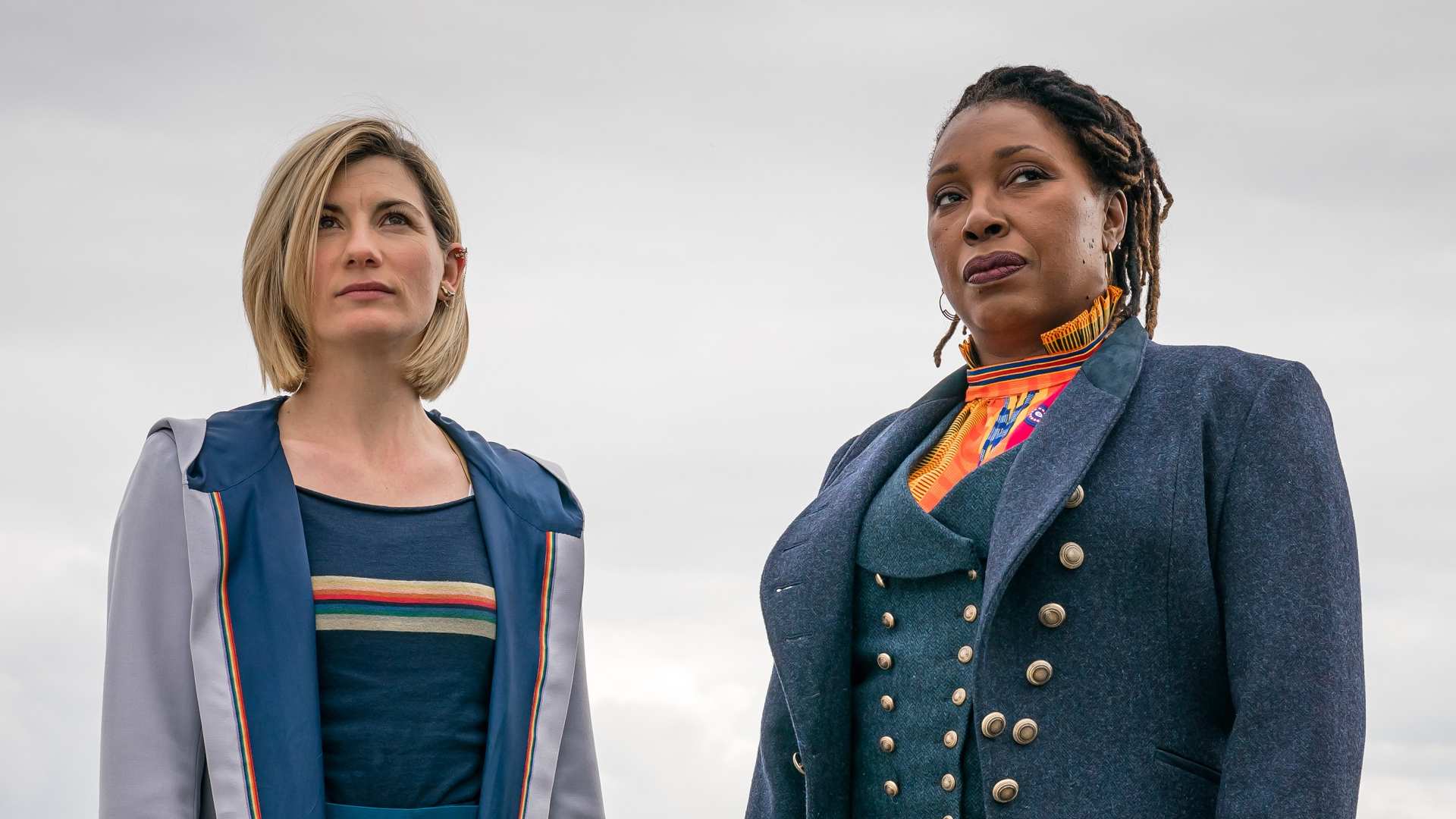
Perhaps as a hangover from his time writing Broadchurch, Chibnall (and company) have been tight-lipped about episodes that are in the pipeline. Very little is given away regarding storylines and characters in advance of the show being on television. Many of us would love to have more information in advance than Chibnall gives us at this moment, even if it is just a substantial trailer or a series of social media posts reporting on the filming of the show. There is no denying, however, that having little to no knowledge going into the episodes lends itself well to surprises.
There were several small surprises as the stories unfolded, such as when Tzim-Sha returned in the finale of series 11, or when Sharon D Clarke’s Grace made cameo appearances beyond her demise in The Woman Who Fell to Earth. Admittedly not monumental surprises, but they are still moments that draw audiences in that little extra than if they had seen them coming.
That is not to say there were not some monumental surprises – there jolly well has been! When O was revealed to be the Master, it was the peak of my excitement during this era so far. When Captain Jack turned up in Fugitive of the Judoon, I was watching with some friends at the time, and I screamed ‘WHAT THE (BLEEP)’, likely startling them. Never had my jaw dropped so far through the floor. And later in the same episode, when Jo Martin’s Ruth is actually revealed to be another mysterious incarnation of the Doctor in hiding using the Chameleon Arch (nice reference), I was confused, but in a good way. These moments would not have had the same impact if we knew they were coming, I can say fairly assuredly.
To those who are longing for Chibnall’s exit, so we get fed some more tidbits in advance of the show, let me cast your mind back to Steven Moffat’s tenure as showrunner. During this time, we were treated to more spoilerific information. But as a result, there was less in the way of surprises. For instance, we knew John Simm would return as the Master in series 10, preventing what could have been a cataclysmic reveal moment! Many of us wanted less information before episodes were shown. Now that we have that with Chibnall, and have been treated to reveal after reveal, some fans want the opposite again! Having too many spoilers or having too little can both be good and bad in different ways. I try to remember when I get annoyed at Chibnall’s secretive promotional appearances for Doctor Who – looking like he has a twinkle in his eye saying ‘muhahaha, I hold all the secrets!’ – that there was a time I wished this would be reality. I really hope I continue to be surprised by the show!
5. The Music
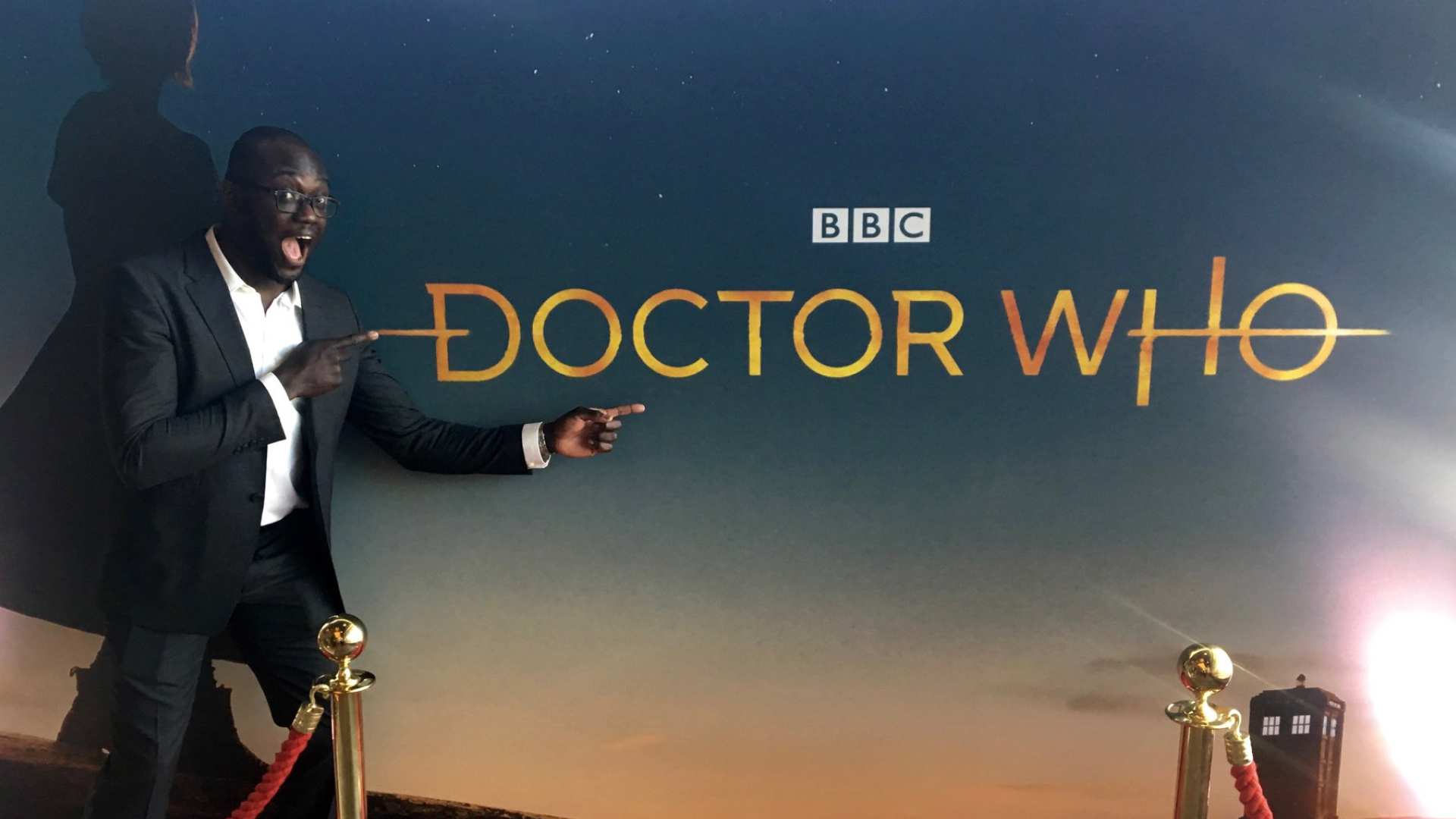
I want to shout out Segun Akinola’s beautiful score for series 11 and 12.
Murray Gold’s twelve glorious years as the show’s composer, with many memorable pieces which added some extra life and artistry to Doctor Who, meant he was a tough act to follow (I’m talking on the level of Matt Smith having the ungodly task of taking over from David Tennant, heck, maybe even tougher than that!). While I wouldn’t call Akinola’s music memorable exactly, I would say that it accompanies this era of the show perfectly. It is more subtle than Gold’s music, to great effect. It is a seamless part of the world of the show, being convincingly depicted visually. The music is very chameleon-like – it always suits the moment, whether it be fun, scary, foreboding, exciting, or whatever it might be. Besides all this, I particularly find the repeated use of string instruments to be rather cool to listen to.
Even then, there are some memorable pieces in Akinola’s catalogue. I find myself humming Thirteen (the Doctor’s theme) as much as I would I am the Doctor while I was going about my everyday business (it gives me some weird looks at the bus stop for sure). All of the variations of it that can be heard throughout the series are also spellbinding to listen to. Additionally, Me and My Mates is an absolutely EPIC track as well.
At the time of writing, it is uncertain if Segun is staying as a composer beyond the end of the thirteenth Doctor’s era. Whether it is him, or an equally talented composer, I hope Who‘s soundtrack continues to be utterly superb.
Final Words
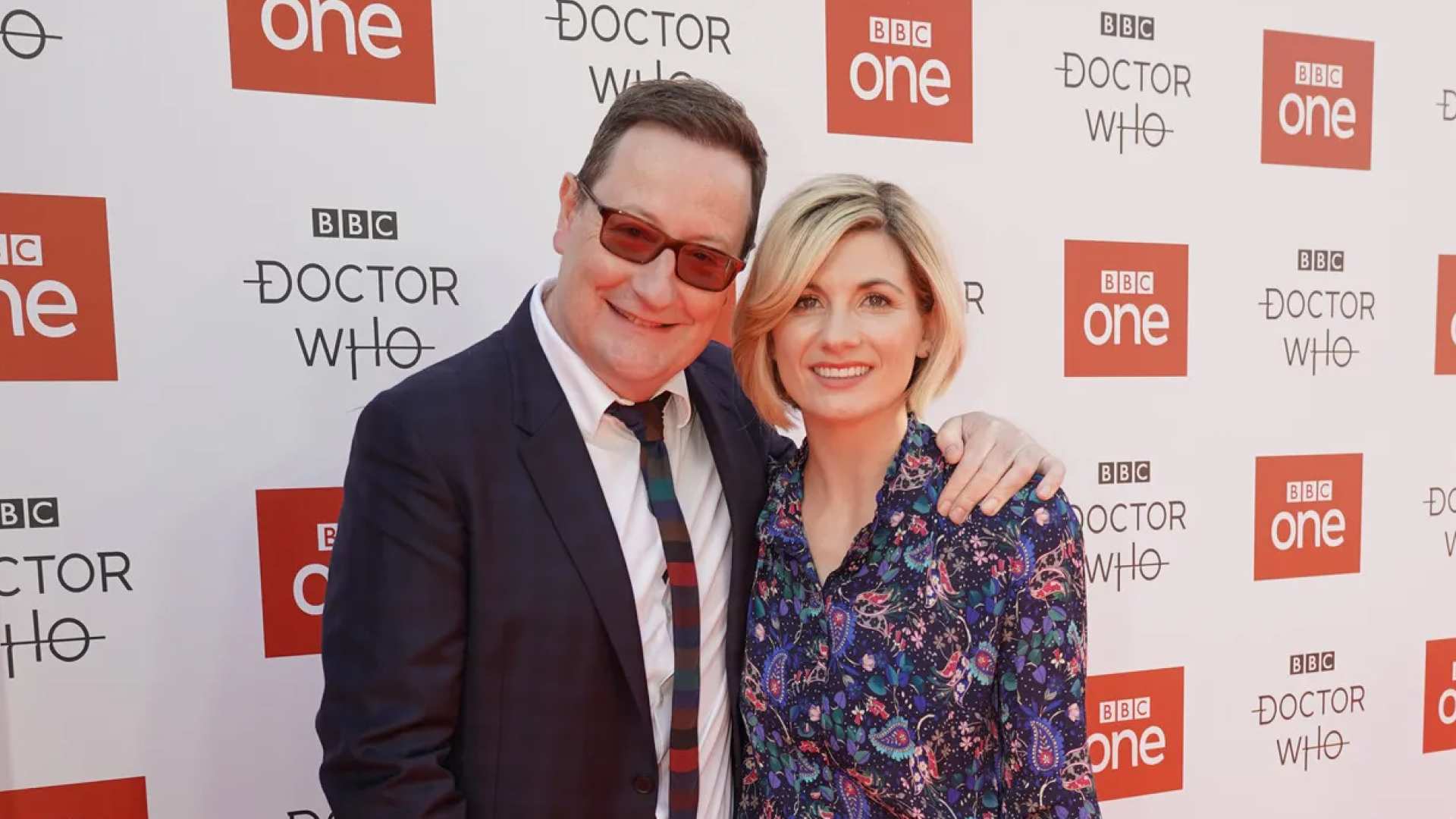
Like I say, this era of the show is not my favourite. But I like to think in whatever we experience in this life, there is something good to take out of it. These few seasons of Doctor Who are not different in that respect.
I began writing this article shortly before the BBC’s official confirmation of Jodie Whittaker and Chris Chibnall’s departure from Doctor Who. I was more excited for the future than I was upset by this news – unusual, considering this article is singing my praises for aspects of this era. I have no doubt the current creative team behind Doctor Who has worked incredibly hard to put on a good show (especially during the tough working conditions of COVID-19 restrictions). I also acknowledge and it is OK for myself and others to say maybe this iteration of the show just isn’t our cup of tea.
Profoundly, I have revisited a few episodes of series 11 on BBC iPlayer for the first time since transmission in light of this news. Maybe it was because I can see the end of the thirteenth Doctor insight; I am not entirely sure what my motivation was. But I can say that I am enjoying the episodes way more than I did when I first saw them. Be it through acceptance of what they are, a change of perspective from a few years more experience, or something else, I find myself not being as adverse to this era as I thought I was.
Love it or hate it, either one is fine. But readers, I would invite you to consider enjoying this present moment. We can appreciate things we enjoy as well as considering what could be improved. This era may pass us by, and we may just miss it unexpectedly. Maybe we don’t know how good we have it right now. Maybe we won’t know until it’s gone.
Still, who knows, eh? Who… knows?


Comments
No one has left a comment yet.
Be the first and get the conversation going.