

New Who Series Ranking: Part One (#13 – #8)
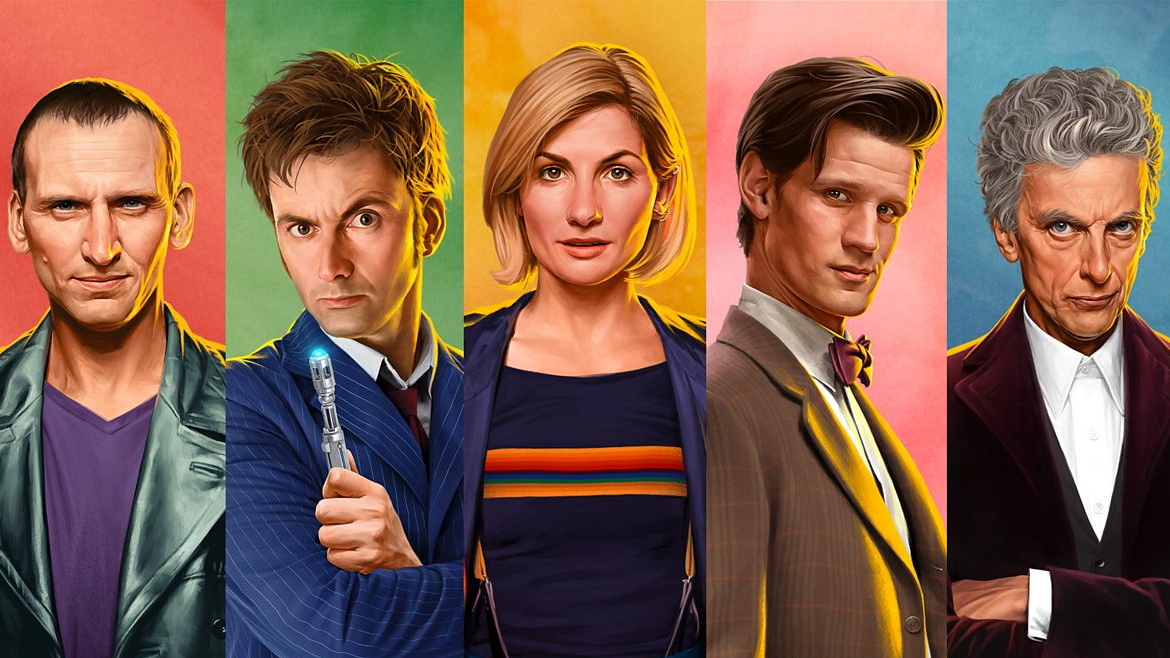
2022 is underway. The Thirteenth Doctor’s time is coming to a close. As we near the regeneration of our fifth Doctor of the 21st century, it feels appropriate for me to reflect on every series of modern Doctor Who and rank them in order of preference. And apart from that, I just thought it would be fun.
Before I dive in, let me explain real quick how this will work. I will list from least favourite to favourite my ranking of the thirteen series of Doctor Who that aired between 2005 and 2021. This is series one starring Christopher Eccleston as the Doctor all the way to the recent Doctor Who: Flux serial. Each item on the list covers a full series of continuous episodes, meaning I will not be counting the following:
- Christmas Specials
- The 2009/10 specials rounding off David Tennant’s run as the Doctor
- The 50th anniversary special, The Day of the Doctor
- New Years Day Specials (or Dalek specials, as they probably should be called)
- Anything else – be it online minisodes, prequels, charity sketches, animations, adventure games… you get the idea.
And finally, though this really goes without saying, this is entirely my own opinion and not indicative of how you should feel about any particular season. If you have a ranking, similar or different to my own, I would love to hear it! Feel free to pop a message into the Big Blue Box discord upon reading through my picks and we can have a good old chat about Who.
Let’s just get into it! Ok, my least favourite modern series of Doctor Who is…
13. Series 11 (2018)
Believe me, I wanted to like this series so BADLY.
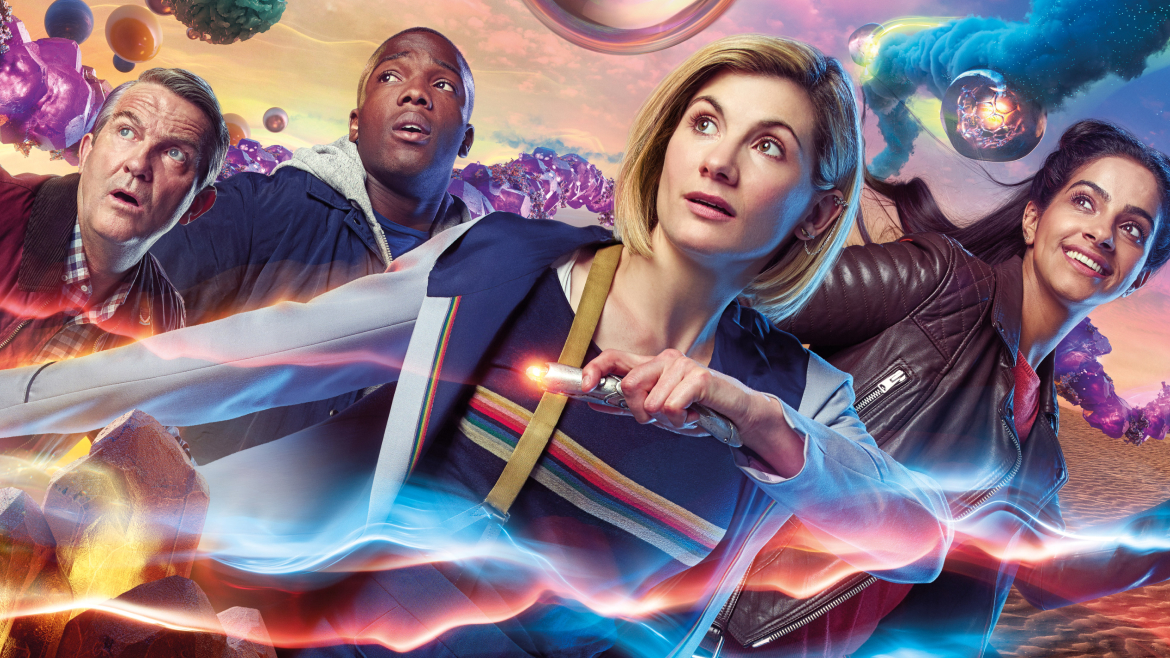
Back in 2018, I felt excited about a change-up in Doctor Who, as Steven Moffat had been the showrunner for several years. So I had very high hopes for this season; it was the first of new showrunner Chris Chibnall and starred our first female timelord, Jodie Whittaker. There was a new format, a new production crew, new characters, new everything. It was incredibly exciting!
Sadly, however, Series 11 turned out to be the exact opposite: incredibly boring.
It was the first time Doctor Who was airing and it felt like a graft to watch it week in week out. By about episode four, I was no longer in a rush to watch the new episodes each weekend. I was quite happy to just catch it on iPlayer some other time. That felt rather alien to me, I must say.
But why was it so dull? Well, I think a lot of fans complain that this series has very little connections with what came before, such as old monsters and continuing plot threads. I personally don’t mind this. I just found many of the new ideas rather unengaging.
Tzim-Sha, a warrior alien who wears the teeth of his victims, while a good idea for a villain, hardly has the gravitas to be ‘the big bad’ of a season. Incidentally, The Battle Of Ranskoor Av Kolos was the most underwhelming series finale ever. I cannot tell you about half of the monsters or aliens in this run as I simply cannot remember them – they were extremely forgettable. But of the ones I do remember – the spooky paper, the talking frog, the Pting, that alien racist – all of them feel very one-note. There is little to no dynamism or layers to explore.
Admittedly, some of them did have this trait of being ‘misunderstood’, but this seemed to happen more than once this season and it got old really quickly. I know this show is utterly insane (cases in point: spooky paper and talking frog), but when the chorus of antagonists and extraterrestrial life the Doctor and her companions meet on their travels are just so uninspired and bland, it reminds me that I really am watching a scripted TV show. That sense of wonder, of being taken away, is lost because the faults of a script are painstakingly obvious.
Rather unfortunately, the main characters were also really boring. The Doctor herself is way too zany and Jodie Whittaker gets little to no opportunity to play to her strengths as a more authoritative screen presence. Mandip Gill performs well but aside from a few inconsequential traits, Yaz is a nothing character. The only real meat and potatoes we have in terms of character development are Graham and Ryan’s grandfather/grandson dynamic forming and flourishing, but unfortunately, I did not enjoy Tosin Cole’s performance as Ryan. The enthusiasm and energy usually seen in the Doctor’s companions simply weren’t there in that character. Playing against an actor as natural and charming as Bradley Walsh, it can really be hard to like this relationship as much as the writers probably want us to.
I know that this series does have its fans and more power to you. I am so glad you enjoyed it and I wish that I could have too. If I were to find some positives – I thought that The Ghost Monument and The Witchfinders were fairly decent episodes. Rosa addresses an important issue and it was good to see Doctor Who using its roots in historical tales as a force for good. The music and production values in this season are stellar. No Doctor Who is without merit – don’t forget, I wrote a whole article talking about the awesome parts of Chibnall’s era. Sadly, this batch of episodes as a whole just really did not do it for me. And that is why it is at the bottom of the list.
12. Series 13 ‘Flux’ (2021)
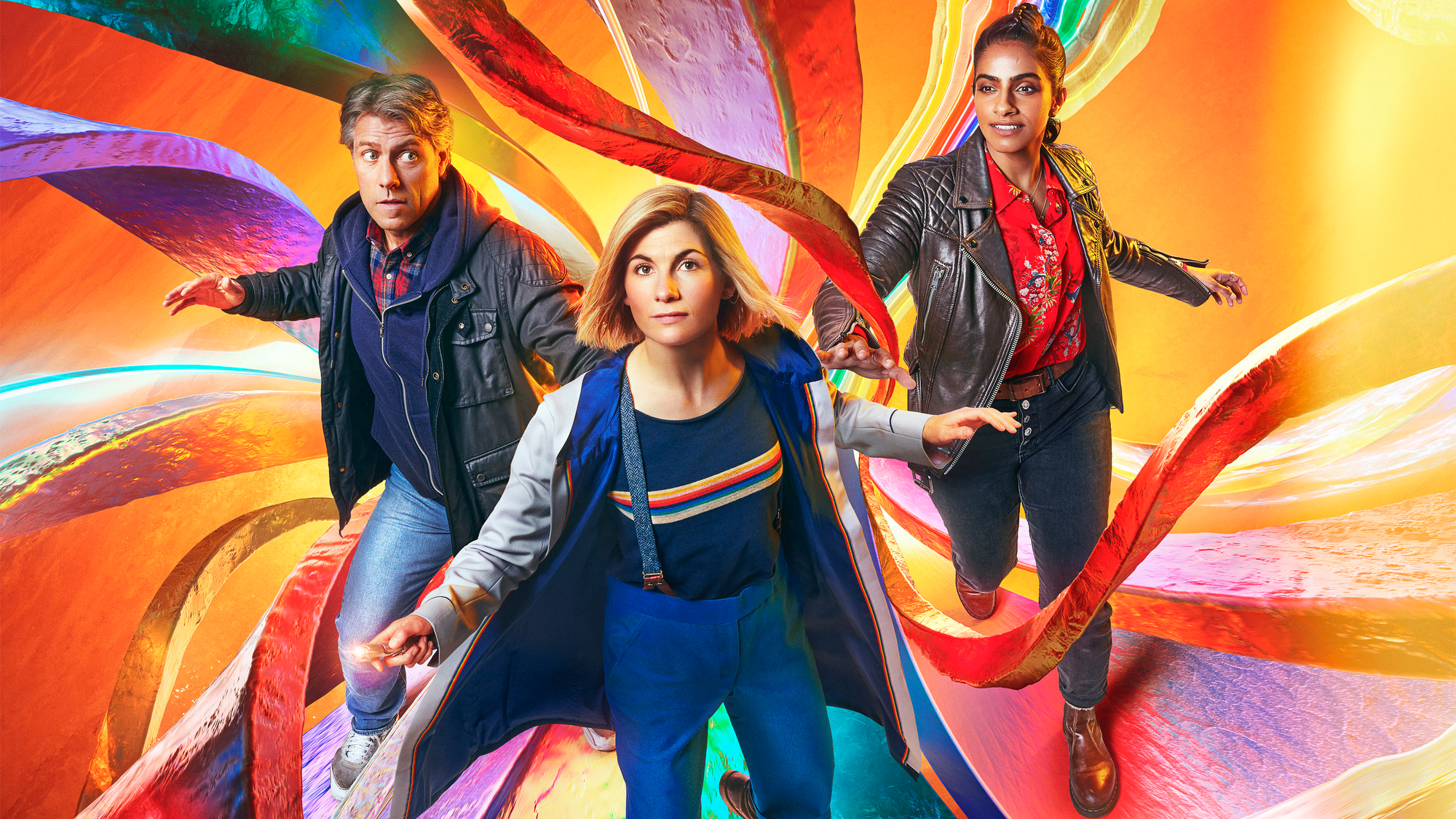
Series 13 is the first time in the modern series that the show told a continuous series-long story, the likes of which were last seen in the classic seasons 23 (The Trial of a Timelord) and sort of season 16 (The Key to Time). In this adventure branded as the Doctor’s biggest ever!, our hero must stop the mysterious force of the Flux from tearing the universe apart. And beyond that, it is kind of hard to say what happens…
Now you guys have heard a lot about Flux from Garry, Adam and the rest of us writers a lot in recent months so I will try to keep it brief. But this series is the epitome of a story that starts off so incredibly promising only to fall flat on its backside towards the end. It is split exactly down the middle for me. The first three ‘chapters’ are cracking – The Halloween Apocolypse sets things up really nicely, War of the Sontarans is good and those Potato Heads were delightfully brutal. Once, Upon Time was so odd and unique in a good way. I know a lot of people didn’t like that last one but I like episodes that are a bit more left-field so it took my fancy.
Then we get to Village of the Angels. Yeah, they’re old favourites and all but wait, that village is being taken out of time using quantum extraction? Quantum what now? Oh, and there is a barrier between the village in two different times that people cannot cross because… there is. And this thing called Division capture the Doctor by turning her into a Weeping Angel? And in Survivors of the Flux, well, nothing really happens, but this geezer who calls himself the Grand Serpent is messing Unit about for some reason? And what is Divison? And what is the Doctor’s adopted mother doing there? And why is she sort of a baddie?
By the time we reach The Vanquishers, I honestly haven’t a clue what is going on. But Time is somehow a person, the Sontarans are guzzling chocolate, and the Doctor needs to be split in three because there are simply too many plot threads and characters in the mix. I actually kind of can’t believe I am talking about a real episode. Was that real or was it all a fever dream? I suppose this series could do with a rewatch, but it was so hard going that I really don’t feel compelled to do that. Time (the resource or measurement or whatever, not the person) is finite, y’all.
I dislike being so negative, so let me round this off with some positives. Dan is a funny character, and John Bishop’s presence just makes everything seem OK in life. He’s good at this! I liked a lot of the other characters like Bel, Vinder, Karvanista, Swarm, Azure and Kate Stewart (even though the head of UNIT contributed nothing to the entire plot). I applaud the Doctor Who production team for making an ambitious serial despite the obstacles presented by the pandemic. Yes, there was quite a lot of wasted potential here. But I think it is hard to argue they tried their damndest to put on a good show for Series 13.
11. Series 12 (2020)
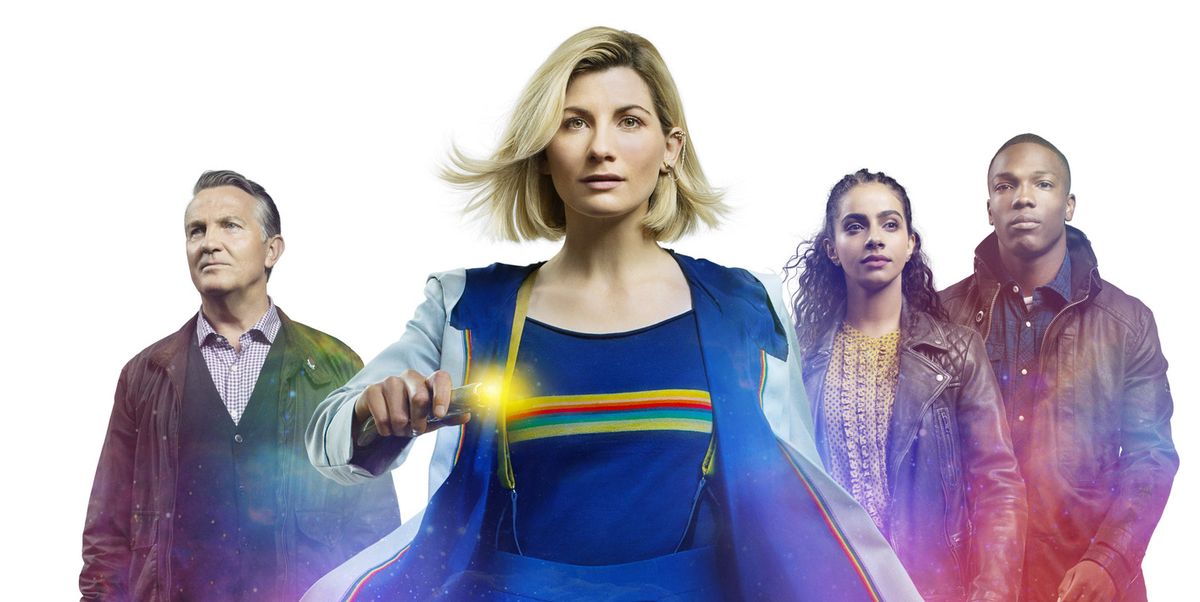
I initially thought that Flux may have been the best series of the Chibnall/Whittaker iteration, but I have decided it is actually Series 12. It is the closest to the kind of Doctor Who I had hoped for from this era.
For starters, there is a really nice mix of stories across the ten episodes – single and multipart stories, old and classic monsters, old and new characters, stand-alone romps and high in-universe stakes.
Let me elaborate. It was really satisfying to see the likes of the Judoon, the Cybermen, the Master and Captain Jack Harkness make comebacks in this series. It reminds us that this ever-changing canon is still the same canon that started in 1963. As someone who loves long-form storytelling, I absolutely dug seeing these old elements turn up, some of which was to my pleasant surprise. And the ways these elements were handled, ranging from decent to excellent (Sacha Dhawan as the Master, we do not deserve you), really elevated the quality of this series for me. It absolutely did not feel like fan service to try and keep longstanding Who fans on side.
Say what you will about the whole timeless child fiasco, but this series had me invested as it is the only one of Chibnall’s I felt really stuck to its guns in terms of a story arc. While watching The Timeless Children, even though to this day I am still not 100% sold on its implications, I got the sense I was watching something monumental and cataclysmic for this fictional universe and as a viewer that is nothing short of thrilling. I think just in general for series 12, a lot of which I watched with some university buddies each week as it went out, the stories were written in a way where I felt more involved as a spectator. It is certainly the series I enjoyed the most of the thirteenth Doctor.
As Chibnall himself once said of Doctor Who on TV in the ’80s, series 12 ‘could have been a lot better’. The same opinions I had with the Doctor, Ryan, Graham and Yaz still apply here. Some of the episodes are a bit weak and unremarkable. Sometimes it feels a bit too preachy and political allegory takes centre stage instead of all-around good storytelling. Is this optimal Doctor Who as far as I am concerned? Nope, this whole era isn’t for me. This is why it is outside the top ten of this list. But I think looking back, this middle series really ain’t all that bad.
10. Series 7 (2012 – 2013)
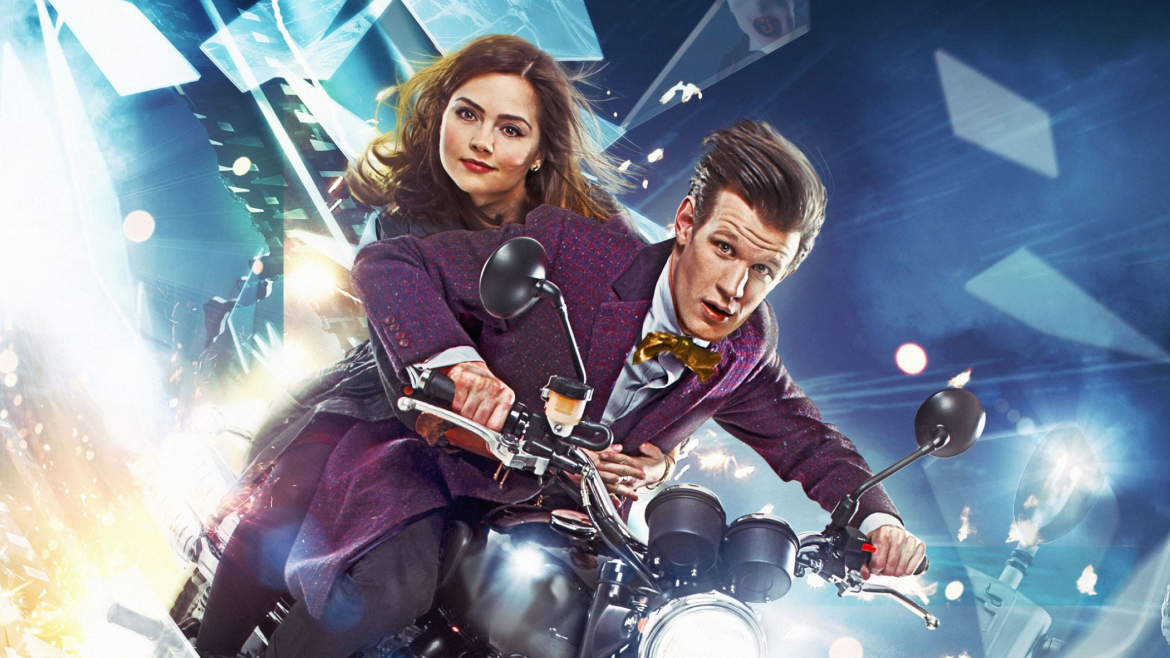
Now we have the first Moffat penned season on the list. This is the season that was transmitted over two years. This is also the season leading up to the show’s 50th anniversary. Sounds like it would be pretty spectacular, right? Eh, kind of.
Every episode of this series is a standalone, single-part, blockbuster-style episode, with each one even getting its own promotional movie-style poster. As I praised series 12 just now for its mix of single and two-part stories, you may have clocked the fact that I am immediately turned off by this. You cannot fault series 7 for the ambition across the 13 episodes (and the specials around that time, even though we ain’t counting them here), but I do feel like some of the time it buckles under its weight.
Some of the episodes here are not great, and it owes to them not having enough time to fully develop an exceptional story. The Power Of Three has an unorthodox premise I really like – all of these cubes are found all over Earth overnight and no one has a clue why. But it all kind of gets a bit rushed at the end, and what felt like a smoothly running story felt cut short by necessity, which is rather distracting. The Angels Take Manhatten is a weak send off for Amy and Rory, riddled with plot holes in an underdeveloped narrative that isn’t as exciting and hard-hitting as it could and should have been.
Cold War is very dull – I mean, Mark Gatiss is a great writer and his enthusiasm for the Ice Warriors does shine through but it just wasn’t my cup of (iced) tea personally. Journey to the Centre of the TARDIS was a missed opportunity. Nightmare in Silver is a cauldron of ideas bubbling out of its top, which would go as far as to ruin any stew of an episode. Everything feels very scattered in this series; nothing feels 100% ‘done’ and consequently doesn’t feel like it is up to standard.
There are a few good fun episodes, like Dinosaurs on a Spaceship, The Bells of Saint John, Hide, The Crimson Horror and The Name of the Doctor. But even then, I still don’t get the sense that I am watching an episode of Doctor Who at its best. It’s either an inconsequential romp or a rushed affair where these episodes are concerned. What saves this series is great performances. Karen Gillan, Arthur Darvill and Jenna Coleman, when working with some not-so-great material, bring enthusiasm and likeability to their roles as Amy, Rory and Clara respectively.
And of course, Matt Smith is extraordinary as the Doctor, portraying his exceptional range and being a delight to watch week after week. It is a testament to the quality of his amazing acting that I would go back to these episodes just to admire his performances again. In case it wasn’t already obvious, I blooming loved Matt Smith’s Doctor. I miss that guy.
9. Series 8 (2014)
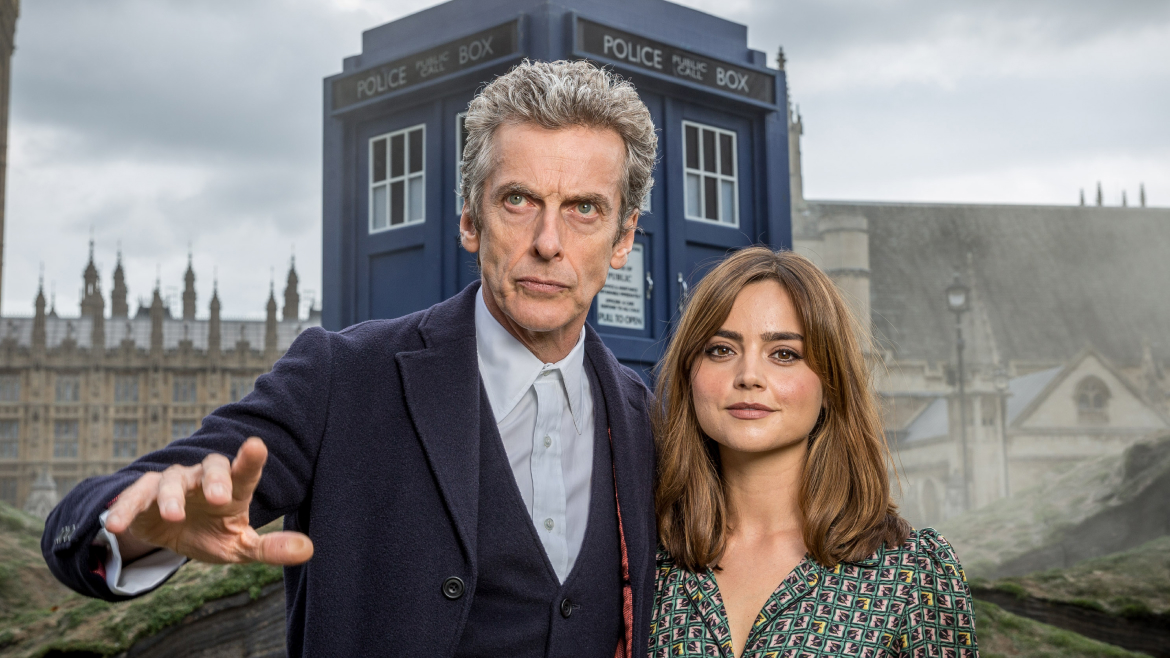
When Peter Capaldi was announced to be the actor portraying the twelfth… thirteenth… no, the fourteenth Doctor, I was ecstatic. As much as I enjoyed Matt’s youthful-and-at-the-same-time-incredibly-ancient-lonely-god-type incarnation, I was super excited for a more experienced presence having a stab at the role. Capaldi was an esteemed actor and, not to make this a beauty contest of some kind, but he just looked the part – wise and higher status, but at the same time, friendly and warm. PERFECT for the role of Doctor Who.
And, mercifully, he was amazing in the role. His debut series is largely well written, save for a few exceptions.
I have made it no secret on this website that I adore the series 4 episode Midnight (check out my article on it). Steven Moffat’s series 8 episode, Listen, attempts to develop Midnight‘s central idea of a monster you cannot see. This time, the monster you cannot see may not even exist! Genius idea, but unfortunately, the episode has a lot of plot holes and is really unengaging. Sorry Steven, but Russell did a better job tapping into the fear of the unknown. And aside from that episode, Kill the Moon and In the Forest of the Night, while not being offensively bad, were just kind of… bland.
But other than that, this series is really very solid. Deep Breath kicks it off with a bang, mixing the personal stakes of the newly regenerated Doctor and an uncertain Clara with a creepy new plot involving the clockwork droids. I actually feel that this 75-minute opener, which was broadcast in cinemas as well as on television, reached the ‘blockbuster’ heights that series 7 tried but fell short of reaching.
I loved Robot of Sherwood, it is such a fun and memorable episode. I cannot decide my favourite thing about it… the fact it is set in my local city of Nottingham, Robin Hood as an entertaining side character, the Sheriff of Nottingham as a devilishly abhorrent villain, that stupid (in a good way) badass fight between Robin and the Doctor, the former wielding a sword and the other a spoon… the list could go on! And one cannot talk about this series without mentioning Jamie Mathieson’s two cracking episodes, Mummy on the Orient Express and Flatline. Both have original, scary, visually striking ideas, making them a joy to go back and revisit on occasion.
I acknowledge that the finale Dark Water/Death in Heaven contains some really uncomfortable ideas around life after death. But on the whole, I did really enjoy it from what I remember. Aside from its flaws, I liked how the Doctor’s characterisation for this particular series was tied up in a nice neat bow. He spent the whole time questioning if this new incarnation was good and moral and his dealings with Missy brought him to a definite conclusion which propels his characterisation in the next series (more on that later).
Moreover, the Doctor’s prickly behaviour and oftentimes questionable decisions, and the friction this creates between him and Clara, aligns well with this storyline across the episodes. Say what you will, but I found it all really compelling. Looking back, it was the journey, not the destination, which was the highlight of this arc for me.
Even with the weaker elements, series 8 is a run of episodes I remember enjoying from start to finish. It is rewarding to stick around with this story and these characters. After the scattered nature of series 7, I felt like this series was exactly what I needed.
8. Series 6 (2011)
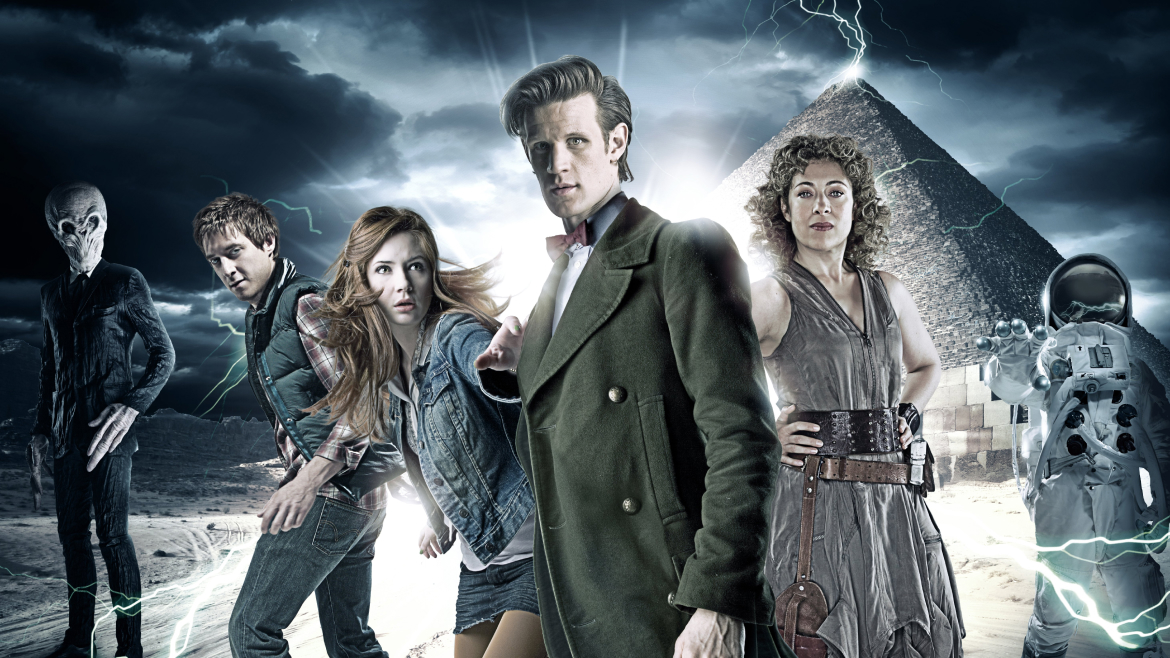
It is interesting to reflect on how opinions change over time. I think because it was the done thing to bash Steven Moffat’s complex writing at the time, I bought into the idea that Series 6 was the worst ever. But as of this moment, I do not think that, not by a long shot.
Yes, I know, it is all very, VERY wibbly wobbly timey wimey. In fact, by the start of The Wedding of River Song where there is Winston Churchill in a Pyramid and the Doctor has a beard and there is this train and a time loop and Charles Dickens (is this another fever dream?), I pretty much hold my hands up and say ‘OK guys, I’m done, let’s start a new story’. And this is BEFORE the Doctor just casually cheats his ‘death’ which this whole series builds up to using a robot clone of himself. But despite this… it all kind of comes together for me.
Is the story complex? Definitely. Needlessly so? Maybe. But it does make some sort of sense. Heck, it is cool to watch something that gets your brain ticking, don’t you think? For example, it was fun putting two and two together about River Song being the little girl in the astronaut suit at the start of the season by her regeneration at the end of Day of the Moon. And it was rewarding as hell to find out this was true! And, yes, making it out that the Doctor was the father of Amy’s baby was incredibly dumb, but I cannot deny it was one of a few things that kept me guessing and made me want to find out more. I can totally understand why people do not like this run of episodes but for me, it does the job of being interesting to watch unfold.
And when this series is good, holy BLEEP, it is good. The Doctor’s Wife is a wonderful episode… the TARDIS becomes a person and we get a sense of the relationship between the Doctor and what is essentially his life partner – fantastic idea. Night Terrors – what a wonderfully creepy episode! The Girl Who Waited – damn, that was good. When the Doctor has to be cruel to obey the laws of time and this breaks Rory’s heart, some incredible drama ensues. The God Complex has some cool ideas. I love the American setting in the opening two-parter and the Silence are a brilliant idea for a monster because… I can’t remember. There is a lot to love with this series, so it can’t possibly be lower down on this list for me.
And that is your lot for now folks. Stay tuned for part two, which details my picks for numbers 7 through to 1 on this list.


Comments
No one has left a comment yet.
Be the first and get the conversation going.