

New Who Series Ranking: Part Two (#7-#1)
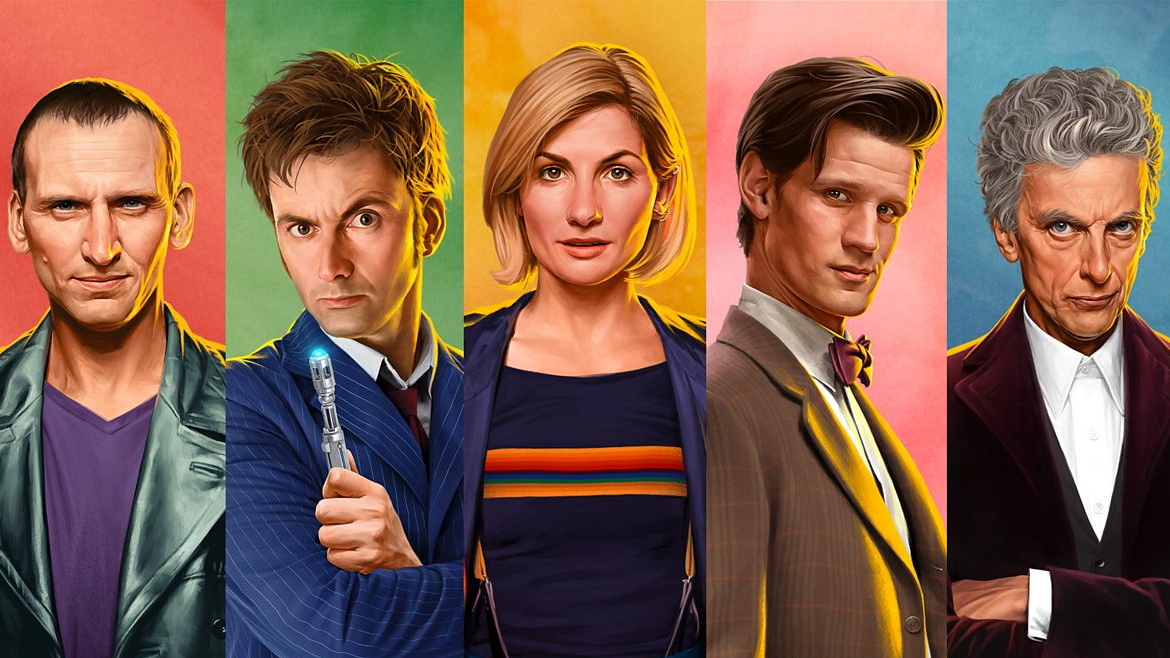
Hello again! In my last article, I wrote about my first picks in my ranking of the thirteen modern series of Doctor Who. In this article, we will be doing the next lot. Make sure you read Part One, which details the ground rules of this list and slots 13 to 8. I will wait.
Done it? Great! Here are my picks from my seventh to my absolute favourite series of New Who (as of early 2022, because, you know, opinions are fluid).
7. Series 9 (2015)
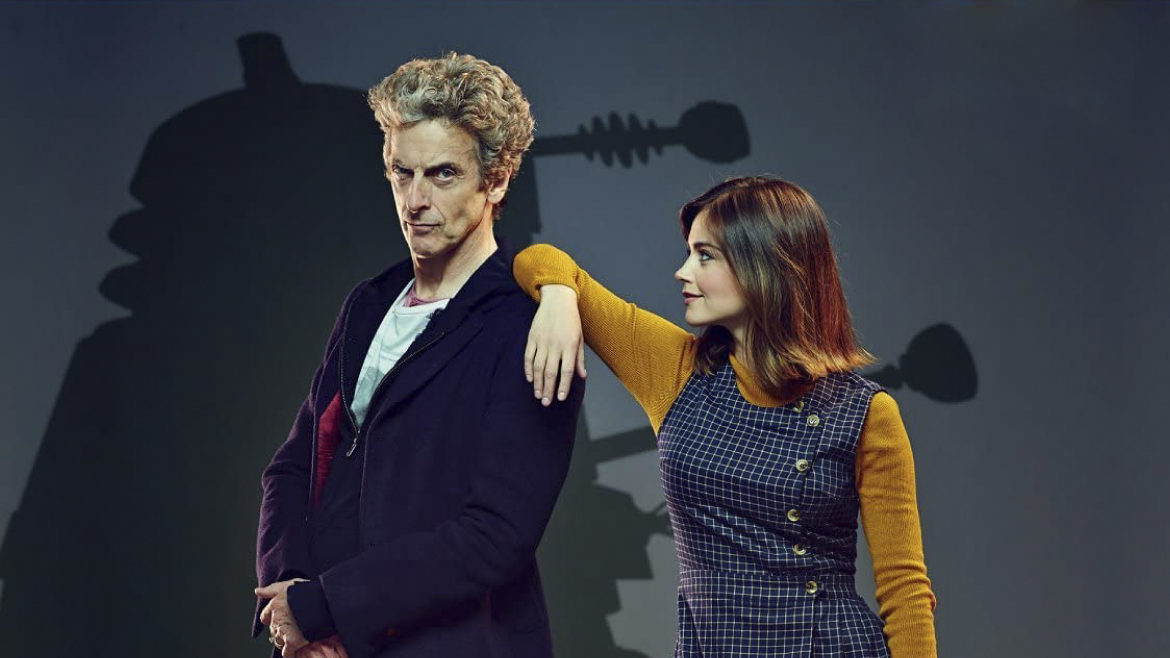
This series was advertised as being more of the same… ‘…just the Doctor and Clara Oswald in the TARDIS!‘, as the Doctor himself put it. A lot of people didn’t like it. Inconsistent writing and poor characterisation were the two main complaints, so far as I could tell. I, on the other hand, thought the writing was largely terrific and the characterisation was on point.
Before I gush, let me make a point of not ignoring Clara’s problematic inclusion in this season. I felt that the so-called ‘impossible girl’ overstayed her welcome. I felt like Clara as a character was done by Last Christmas, but then the bittersweet exit was scrapped and the character just hung around for no real reason other than Jenna Coleman didn’t want to leave just yet. This is fine, so long as you actually do something satisfying with that character. Instead, though, Clara just felt like a spare part with no other character trait besides ‘I wanna be like the Doctor’.
And that dreadful Hybrid story arc. What the heck even was the Hybrid? And why was it so SpoOoOoOoOoky that the Doctor had to leave Gallifrey? It really was a weak storyline, culminating in a rubbish series finale. Hell Bent felt totally contradictory to the rest of the series, flushing character development and emotional beats around Clara’s apparent death down the toilet. But hey, it is great to have roughly 90% of a series be pretty awesome, if not 100%.
Forgetting Hell Bent, it was super compelling to have an arc deeply personal to the main characters and even relatable in this ridiculous science fiction show which had been running just over half a century by this point. Obviously, we are told by the Doctor how brilliant and amazing Clara apparently is rather than shown it, but you know what, Capaldi and Coleman act their socks off, and I appreciate that the show tries to do a story about toxic co-dependency. I mean, if you think about it, how original is that for Doctor Who?
This ultimately ends up with Clara being tragically killed and Heaven Sent, only the most gut-wrenchingly poetic Doctor Who episode of all time, intelligently navigates the labyrinthine cesspit of grief that the Doctor experiences. And then it does one better, by stewing in the mind of the viewer who eventually realises this is something we all go through at some stage in life. The fact that this series manages to contain themes about incredibly human experiences, yet still manages to squeeze in goofy stuff like talking lions and Zygons, utterly amazes me.
The Twelfth Doctor’s character development has a very natural continuation. After the rigidity he showed last season, he lets his hair down. The pyjama bottoms, the sonic sunglasses, the electric guitar, the ‘Doctor Disco’ remarks – they might all seem silly and stupid but I honestly see them as symbolic of this incarnation’s liberation, his pure joy at his newfound comfort in his own skin. I just adore this Doctor in this series – he is so freaking cool.
Not only does series 9 deliver exciting storytelling (underwater ghosts, lots of Daleks, Davros!) but it also dares to experiment. Most stories are two-parters, which was so refreshing in an age accustomed to single-part stories. It felt very Classic Who. And there was some interesting ambiguity around whether some episodes were really two-parters or even three parters. And then we get thrown a found footage episode without a title sequence in Sleep No More. And then when we are already out of our comfort zone, we receive a one-hander episode of the Doctor out running a veiled creature (or his grief?) in Heaven Sent. This series did a great job of keeping me on my toes, and I think it is proof that if written skillfully, Doctor Who will always find a way to subvert expectations and revitalise itself
6. Series 10 (2017)
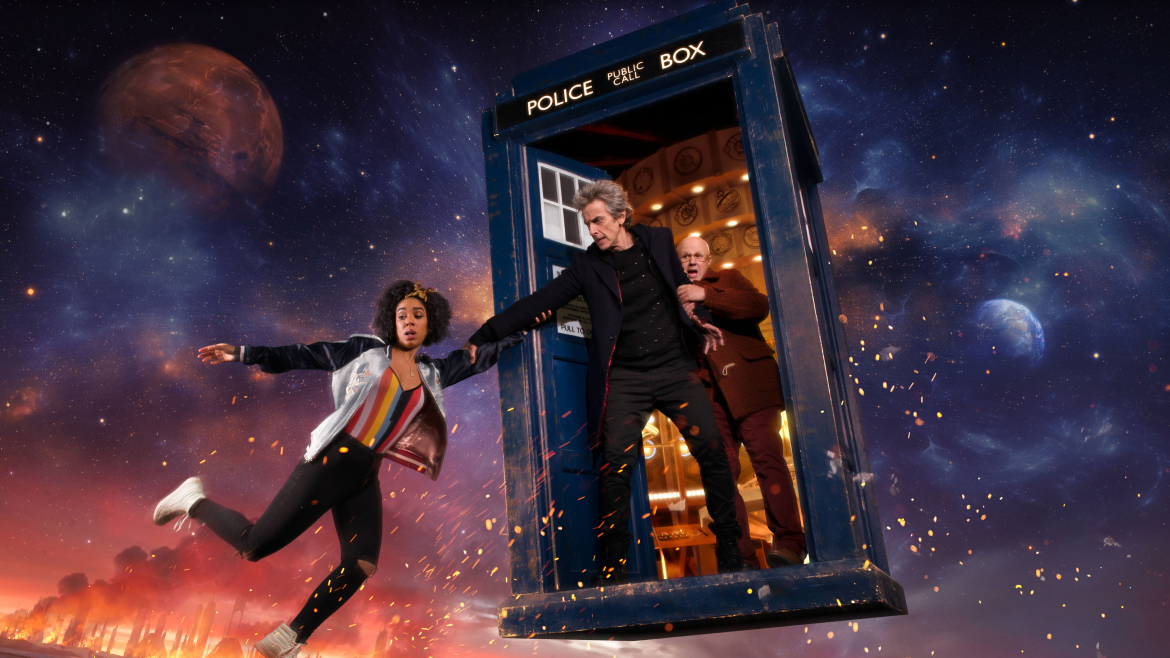
I’m going to say from the off – I absolutely adore Bill and Nardole. These two paired with the Twelfth Doctor are a dream team. Kind of a mismatched group of people – an ancient alien, a part-alien-part-cyborg, and an ordinary human who serves chips – and yet, it works so well. The way Bill is written as a funny, quirky, down-to-earth character, and brought to life so truthfully by Pearl Mackie, makes her come across as real and one of the show’s most relatable companions. This is a case of ‘you can identify yourself in this very human personality and enjoy the idea that you too could be the Doctor’s companion’. And Nardole… well, he’s just funny as f***, isn’t he? And Matt Lucas shows a lot more depth than initially shown in The Husbands of River Song in his more developed portrayal of the character. I think we were lucky to have a performer of his calibre be a regular in Doctor Who.
It is a shame this trio only had one series. But holy mackerel, what a series it was. So many great episodes and ideas! The Pilot all the way through to Extremis is just a pretty awesome first half of the series. The latter parts of the ‘Monk trilogy’ and Rona Monro’s The Eaters of Light were forgettable and not very good, unfortunately. But then Mark Gatiss manages to write a fun story with the Ice Warriors with Empress of Mars (hooray!), and the two-part series finale… my God. World Enough and Time has the compelling turmoil of Bill, who we have come to really like, waiting for years at the other end of a large colony ship for the Doctor, where her time is running way faster than his. It also has the genuine creepiness of the Cybermen’s genesis.
I just want to take a second to really appreciate the design of the Mondasian Cybermen. This design, made on a shoestring budget in the mid-60s, is by far my favourite design for the Cybermen. The cloth and cardboard are simple yet horrifyingly effective. In the bumps of the face, housing two deep dark pits for eyes, and a mouth that wearily opens to speak strangely articulate words, we see the human whose soul has been banished from emotions. This story not only brings back the design to provide a nostalgic kick, but it is an effective storytelling device.
It is creepy and cool as ever, and when Bill tragically gets converted into a cyberman, we see that her spirit is still alive and she is fighting the end of the conversion. Given Bill’s very human characterisation which does well to connect the audience and encourage us to invest in her journey, it makes this end for her character where her humanity is being scooped away so heartbreaking.
The climax of World Enough and Time sees the return of John Simm’s incarnation of The Master. I am still reeling by how cool this was! To see him and Missy together in our first TV multi-master story was also very cool! It was enticing to watch the exploration of Missy’s inner conflict in this series as to whether she wants to be a good person or the same old dastardly villain. Additionally, we get the Doctor’s desire to help Missy, despite the fact that she is his arch-nemesis. This complex relationship is so rewarding to watch unfold (we will circle back to it later!).
The Doctor Falls caps off the series with great performances all around, everything tied up in a nice neat bow and it features one of Capaldi’s greatest scenes as the Doctor (‘…Who I am is where I stand; where I stand… is where I fall.‘). What a perfect way to end his tenure (let us forget about Twice Upon A Time).
Series 10, Moffat’s last series, was marketed and pushed as being a jumping-on point for a new viewer. It was made to feel like a brand new show. I know full well that everything has its time and everything ends, but I can’t help but wish Moffat stayed on even longer. This so-called new iteration of the show is one I would have loved to continue watching.
5. Series 1 (2005)
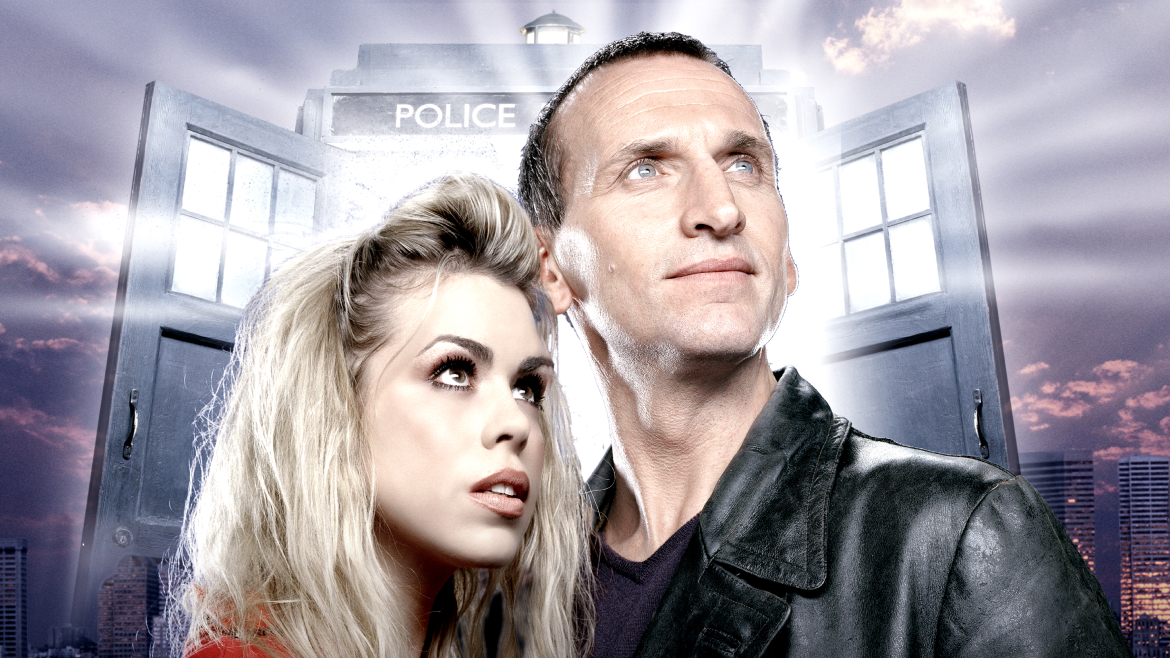
The series that started it all. Well, not all, because William Hartnell… oh, you know what I mean.
Not only was this the first series of Doctor Who I ever watched, but it is also the one I experienced most uniquely. I know that I watched it every week as it went out because this was shortly before the days of BBC iPlayer and I was far too young to know how to tape things on VHS. I do not remember anything before The Doctor Dances – in fact, my earliest memory in life is the ending of that story, where the Doctor beams about how ‘just this once… everybody lives!‘ as he uses nanogenes to recover all the gas mask zombies. Cheesy as it is, this moment really cemented the Doctor as a figure of hope, heroism and joy in my life going forward. And as far as the original transmission is concerned, I do not remember anything else from Boom Town onwards!
It was only upon revisiting this series a few years later (BBC Three and UKTV Gold were my friends) that I appreciated its brilliance. Where do we begin? I would say there are no bad episodes. Most of them are incredible. The Slitheen and Dalek stories are thrilling, all of them having personal and large scale stakes, and containing threat levels and strong character moments gleaming with iconography (you know the sort of things I mean, as they have been praised numerous times already by fans… ‘YOU WOULD MAKE A GOOD DALEK‘, ‘Coward. Any day.‘, ‘I’m shaking my booty!‘ etc.). Then we have The Unquiet Dead and the aforementioned Gas Mask zombies – scary as hell. There is even Father’s Day… an incredibly moving and powerful episode I cannot bear to watch because it is just so sad (but in a well-executed sort of way).
Looking a little deeper, we have an amazing marriage of old and new elements, making up everything you could want in a revival of an old beloved series. The Doctor, his screwdriver, the TARDIS, the Daleks. Multi-Part stories with excitingly frustrating cliffhangers (Nooo! Do we have to wait an entire week? I can’t wait for seven sleeps!). Cheeky nods to Davros, the Cybermen, the Time Lords, Gallifrey. A weekly battle of ridiculous, good vs evil, science fiction adventures. This show undoubtedly has the DNA of Doctor Who, but it contains more than that.
Rose Tyler, whether you love her or hate her, is a breath of fresh air. Much more than before, we get a sense of the companion’s lived experience outside the confines of the TARDIS. Her distant relationships, ordinary job and routine way of living are at the forefront of her introduction and her motivation to travel with the Doctor makes perfect sense. It perhaps felt current for 2005, and to this day still feels incredibly grounded. This is not to say that any classic series companions had no depth whatsoever. It is just that Russell T Davis’s thoughtful writing and Billie Piper’s believable performance as Rose make the multiple facets of characterisation for the Doctor’s sidekick more prominent than ever before.
Who can forget the brilliant characterisation of the Ninth Doctor, played by Christopher Eccleston? An actor who always gives it everything he’s got, Eccleston’s incarnation is commanding, hilarious, reassuring and sassy as hell. It is a great shame that the actor’s collaboration with Davis was short-lived because it resulted in a magnificent trip (of a lifetime). The Doctor was written to be mysterious and hard to read at first, meaning we saw him how Rose did. This was an intelligent way to draw us into the characters.
Moreover, the survivor’s guilt explored around the Doctor’s acts of genocide in the Time War coupled with a sense of deep sadness at being the last of his kind presents an engaging vulnerability to him. Though Moffat eventually retcons the Time War, this sets the stage for the Doctor’s emotional journey beyond this first series – that journey and growth still remain very real within the canon. It was practically impossible for Doctor Who to die yet another death on television without regenerating again, and again, and again. Long may that continue!
4. Series 2 (2006)
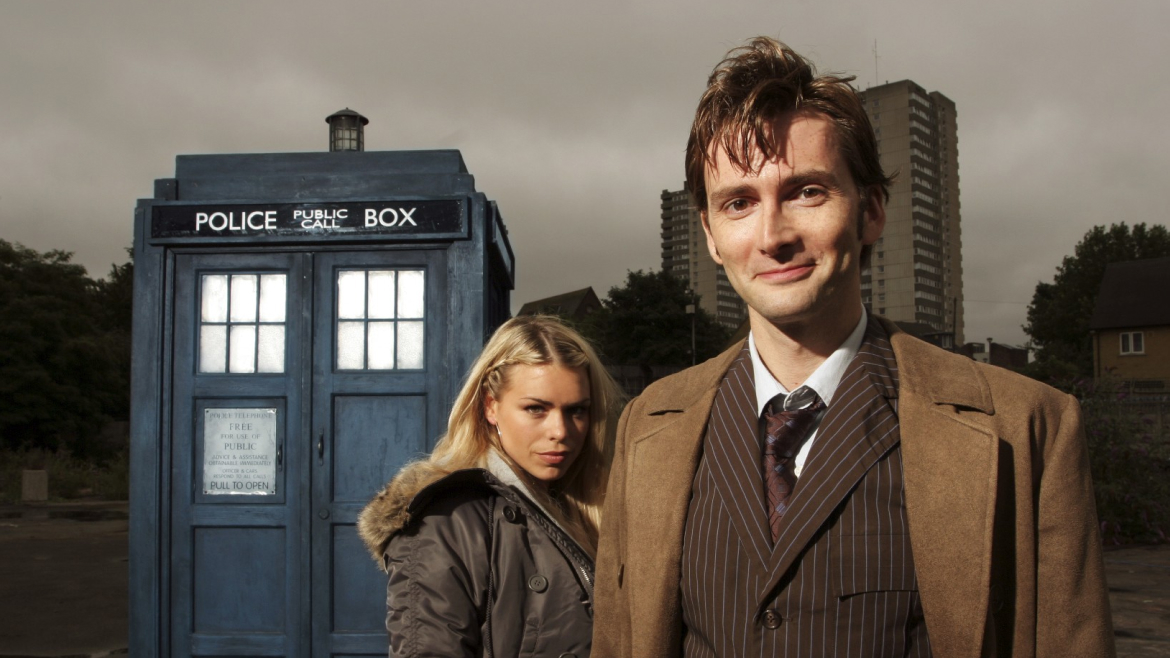
Weirdly, I feel like the parts are better than the sum when it comes to this series.
I wasn’t overly keen on the Torchwood story arc. Yes, it was a springboard for the eponymous spin-off series which for the most part was pretty decent. But really, all the arc boiled down to was repeating a word and providing a setting for the series finale. Not really a compelling throughline in this series. At least the Bad Wolf story arc in the previous run, though also mostly just repeating a word, wasn’t retreading old ground. So why is this series so high on my list? Well, what makes Series 2 a superb series is all of the fantastic isolated stories throughout which drew me into the show and propelled me into Doctor Who obsession.
In my opinion, I think every episode has something dynamic and interesting in it (yeah, even Fear Her). But I will just go through some highlights:
School Reunion – What a joy to discover Sarah Jane Smith and K9 from the last generation of Who. The Krillitanes are cracking monsters too.
The Girl in the Fireplace – Tragic and original – I blooming love the idea of a spaceship having different gateways to 18th century France. And isn’t Arthur the Horse just the best companion that never was? And who could forget the exchange: ‘This is my lover, the king of France’ / ‘Yeah, well I’m a lord of time’. EPIC.
Rise of the Cybermen / The Age of Steel – My introduction to the Cybermen, and they were flipping scary. The conversion machines and the Cyber controller were unnerving additions. And I loved the foray into a parallel universe – Doctor Who should really do it again sometime.
The Idiot’s Lantern – The imagery of people with no faces stays with me to this day. It was particularly odd to see Rose, one of our heroes, without a face. The Wire is super cool and threatening; all the more impressive considering she is only a face on a TV!
The Impossible Planet / The Satan Pit – My goodness this is simply the most underrated masterpiece of a story ever. Doctor Who and the Devil. I would read that target book. And if it doesn’t get written by anyone, then I will jolly well write it myself.
Army of Ghosts / Doomsday – A surprise Dalek appearance! Daleks vs Cybermen! An emotionally draining goodbye! An awesome series finale.
Of course, when talking about this series, we must talk about one of the most popular Doctors of all time, and for good reason. David Tennant is unforgettable in the role. When I reflect on his portrayal, I find it remarkable that he manages to behave both like an alien and a human. That inscrutable stare of his is often the house of some deep-rooted anger or sadness that comes with being the 900-year-old last of the Time Lords. The contrastingly personable and open demeanour he has with most of the people he meets. And that sense of not giving a crap about how others see him seems to marry these two extremes. What I am trying to say in my perhaps overly poetic praise of the Tenth Doctor is that his sheer versatility is what makes him so universally appealing. I think in hindsight, it is the colour of this character that cemented him as my childhood hero.
3. Series 4 (2008)
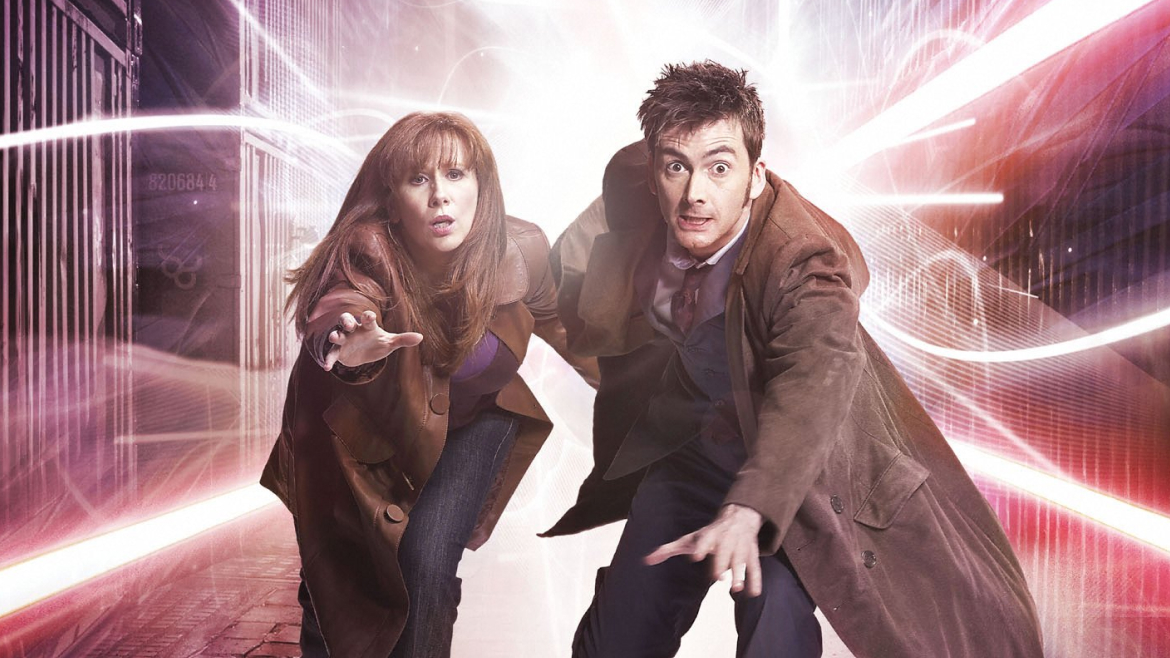
The next three spots on this ranking are interchangeable for me. In all honestly, it can be tricky and even not preferable to put aspects of my favourite show in order of ‘worst’ to ‘best’, because it can change literally all the time. Heck, if you were to ask me who my favourite Doctor is, I would say ‘All of them! They’re a lovely lot‘. But after some head-scratching, I have put these last few seasons in order, and I will do my best to rationalise and explain why I would rank them as such. As I say, opinions are fluid and this can change – this is most definitely not a fixed point in time.
Series 4 has a bit of everything. Humour and scares. Drama and fantasy. Fun and food for thought. Indeed, there are quite a few dichotomies of extremes, befitting of the tenth Doctor whose range is all-encompassing. The cast and crew who had been around since the start of the revived series have honed their Doctor Who-making craft, to give us this stellar, expertly made run of episodes.
The dynamic between the Doctor and Donna Noble is so refreshing after the show spent the last few years in the arena of romance amongst the main characters. Instead of retreading old ground, Donna re-enters the scene like a breath of fresh air (or is it ‘second wind’?). She is unlike the archetypal hero for she is unapologetically shouty. And with a loud-mouthed outspoken ‘Catherine Tate Show-like’ character firmly established, it is all the more incredible when we see the nuance of the character. Her heartbreak around the laws of time not allowing the Doctor to save a dying family. Her sorrow for the Ood, slaves living in a box with nothing but a brain in their hands. The loss of her imaginary children in the Library’s imaginary world (did I mention Doctor Who was a weird show?). Tate is given so much opportunity to act her socks off. Donna is compelling due to her talent and capabilities as a performer.
What also works in this series’ favour is that all of these episodes are good! Partners in Crime is a fun romp, The Fires Of Pompeii is a tragic romp, Planet of the Ood is good. The Sontaran two-parter, The Doctor’s Daughter, The Unicorn and the Wasp… all solid episodes. BUT, Silence in the Library onwards… as perfect as any Doctor Who can be. The library / Vashta Nerada two-parter is the only Doctor Who story I remember genuinely frightening me enough to struggle sleeping at night as a wee lad. The idea of the Vashta Nerada is chilling; they must be brought back at some point (and not in an adventure game – they deserve better than that!). Midnight… well, you all know I love Midnight. Turn Left, is simply stunning. And the Dalek finale… it was Infinity War before Infinity War was cool. EVERYONE came back and it was simply joyous, culminating in a satisfying conclusion to a lot of the story threads in Russell T Davis’s first era of Doctor Who. Will he reach these same heights of grandeur again? We can only hope.
2. Series 5 (2010)
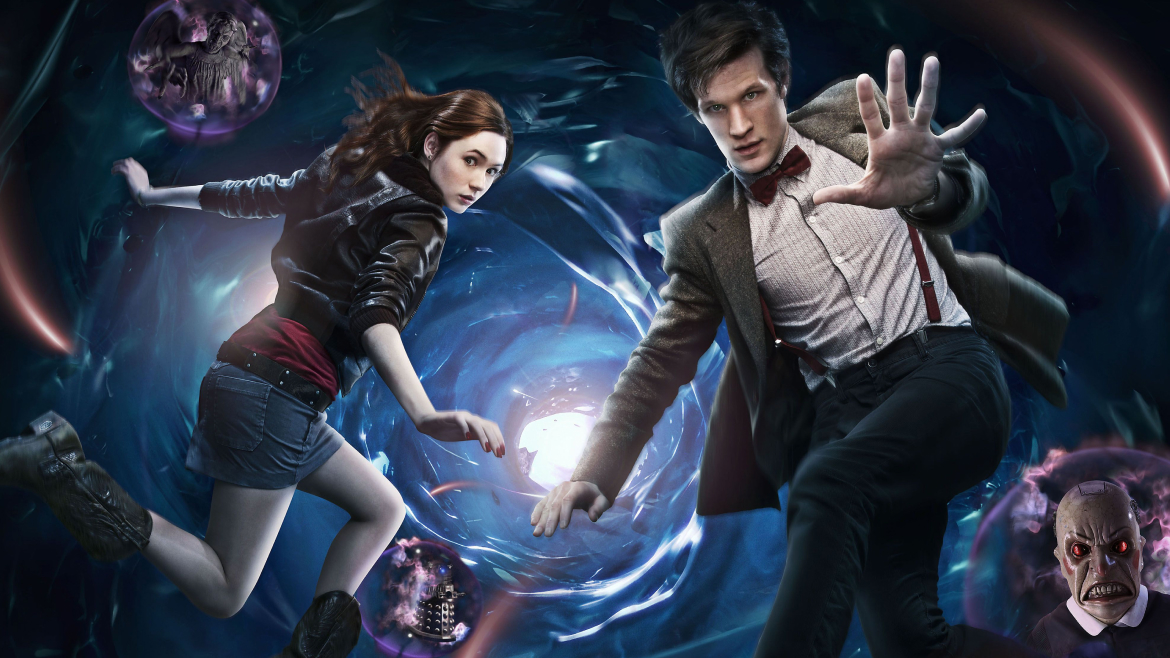
By now you may have clocked on to what my top pick is, seeing as you now know all of my other picks. Bit anti-climactic, but we move!
Series 5 was almost like a second revival of Doctor Who in the 21st century. Steven Moffat was the new showrunner and Matt Smith as the new Doctor. The overall production and feel of the show changed radically. To this day, this series still feels fresh and exciting, like a nice loaf of bread that never goes mouldy. The ‘coming soon’ trailer at the end of The Eleventh Hour (amazing episode) whets the appetite, promising a series full of brilliant adventures. We could keep the old era in our hearts, and make way for this grand feast to come (not sure why I’ve chosen food metaphors for this paragraph; it’s making me rather peckish).
The cracks across all of time and space (anything that ever happened or ever will) do one better than present a universe ending threat: the whole universe may be entirely erased! There are no words to describe such a problem, and makes for the most epic Doctor Who story arc of all time. It culminates in a thrilling finale. The Pandorica Opens brings back a whole host of villains, which at the time of watching blew my little mind. And The Big Bang is a satisfying character-driven conclusion to a catastrophic cliffhanger (yet another Infinity War similarity).
And then, of course, you have some masterful episodes in series 5. Vincent and the Doctor shines a light on one of history’s most incredible artists, and beautifully navigates the subject of mental health. Amy’s Choice has a concept that I absolutely love – I just love fiction that deals with dreams. The Lodger is a funny mood booster. The Time of Angels / Flesh and Stone is a brilliantly chilling Weeping Angel story (aside from that wretched ending where Amy cheats on Rory and throws herself onto the Doctor, bearing her ZERO consequences!). The Beast Below – really ain’t that bad. The death of Rory in the Silurian two-parter, how shocking (before Rory dying became a meme)! The Vampires of Venice is so cool. GAH, this series is awesome.
And speaking of characters, Rory is a wonderfully ordinary companion to have had introduced in this series. I think what makes him likeable from the off is how uncharismatic he is – it is a trade-off for his immense charm. He ain’t a domineering masculine presence on the TARDIS by any means, just a nice normal bloke. It is great to watch his growth and journey throughout the universe; once again, he’s a companion whose relatability draws the viewer in. And, aside from some questionable character choices, Amy Pond is also really likeable.
And like I said in Part One of this ranking, Matt Smith is just wonderful. I particularly liked him in this series; he seems more laid back and cool. Though I don’t necessarily mind Smith leaning more into the mad scientist archetype in his later seasons, I always love to see a more grounded, tentative Eleventh Doctor during the actor’s courageous and fresh undertaking of the role at the beginning of his tenure.
So, yes, Series 5 is good. But there is another series that just edges slightly above it…
1. Series 3 (2007)
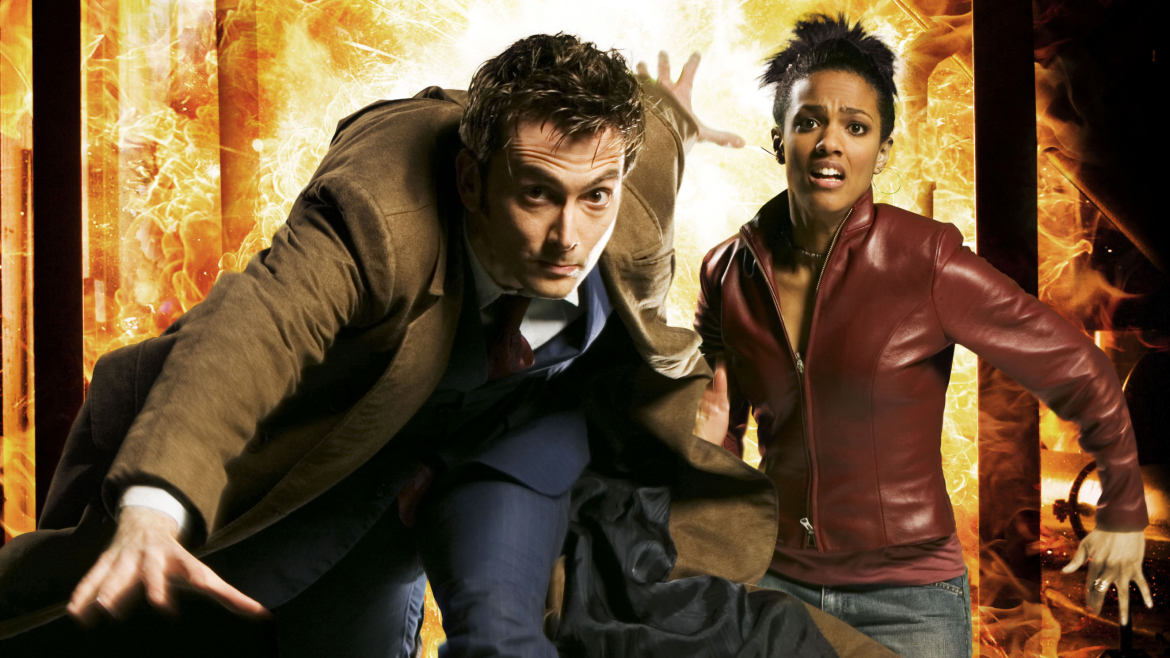
Series 3 is Doctor Who at its most superb; a truly exemplary series, which is why I have put it at the top spot. I have rambled for around 4000 words in this article alone now, and there are really only so many ways you can structure a series of paragraphs around a series of Doctor Who. So to wrap things up, I will simply tell you why I love this masterpiece of a season. This conciseness is helped by how I really do not have any noteworthy gripes with this series at all. It is amazing on the whole.
David Tennant has absolutely hit his stride in the role. He has a lot to dive into – his grief at the loss of Rose, his developing relationship with Martha, the return of his old friend and enemy the Master, having to play a whole other character when the Doctor becomes a human – and he throws himself into it all. And Martha Jones, played by Freema Agyeman, is so underrated. Once again, she is so likeable because she is so relatable to us humans, who want fulfilling careers and are curious about the universe and fall in love.
Fans talk a lot about not liking Martha’s big crush on the Doctor, but honestly, I think it does one better than Rose’s romantic feelings towards him. It shows Martha’s immense growth by the end of the series, when she leaves the TARDIS and decides to no longer be second best, and finds her own validation. What a satisfying and wonderful character arc to watch unfold – and the best part: it is packaged in this single series in a nice neat bow.
This series is a solid run of episodes, without a single dud. There are some incredible ideas. Judoon, The Plasmavore, Weeping Angels, the Lazarus Creature, and the Virgin New Adventures-born Human Nature concept. The Doctor meets Shakespeare, only the greatest playwright of all time. 42 is INCREDIBLE – man, Chibnall, you don’t do it as you did in the old days. There is an epic three-part finale involving the Master (played by the brilliant aforementioned John Simm). The cliffhangers scared and invested the heck out of me – AH, HUMAN DALEK. AH, WHO IS JOHN SMITH GOING TO SAVE?! AH, THE DOCTOR, MARTHA AND JACK ARE TRAPPED AT THE END OF THE UNIVERSE!!!
And this leads on to what I think I love the most about Series 3: it feels like one large continuous story. Not outwardly so like Flux and most of the classic series, but in the sense that pretty much every episode leads to the next and the next and so on. For the first half of the series, we pretty much follow Martha and the Doctor’s continuous journey, covering the hesitancy the Doctor has to bring her on board ‘full-time’ as it were. Then we have a bit of ‘Vote Saxon’ stuff sprinkled in the middle and drama with Martha’s family. And then we have a few more adventures where gaps present themselves (so this is where you can throw in any extended universe stuff you want). And then we get the finale which ties everything – Saxon, Martha, Martha’s family – together.
As much as a standalone episode can be nice, the serialised/arc heavy/long-form storytelling format works the absolute best for me in Doctor Who. I find long-running continuity, threads, character arcs and journeys more fulfilling – what a joy to see such things explored in great detail. Look no further than the Doctor and the Master dynamic, which I mentioned earlier, for a specific example. This strange friendship/friction mix, the simultaneous love and hatred, and the sheer complexity are fascinating to see on screen. This continuation of a fictional relationship that started development in 1971 (Terror of the Autons) makes for the most layered and character-driven series finale (perhaps alongside World Enough and Time/The Doctor Falls).
It goes to show that if Doctor Who basked in its ability to create these multilayered relationships, characters, motivations and stories all of the time, then you would have the most dynamic storytelling tool ever created in this humble BBC science fiction show. Bold statement, sure, but with the thousands of words I have written in glittering praise of the programme now, I think I have about justified it.
And that is why Series 3, at this moment in time, is my favourite modern series of Doctor Who.
And that’s all folks!
Thank you for reading what has been my biggest article so far (both parts of it!). It has been fun and deeply personal to reflect and celebrate all the Doctor Who which has followed my childhood, all the way into my adult life. See you in the next one, which I am sure will not be as long. And please let me know how you would rank these series over on the Big Blue Box discord – I would love to hear your picks!


Comments
No one has left a comment yet.
Be the first and get the conversation going.